
Last updated October 16, 2026
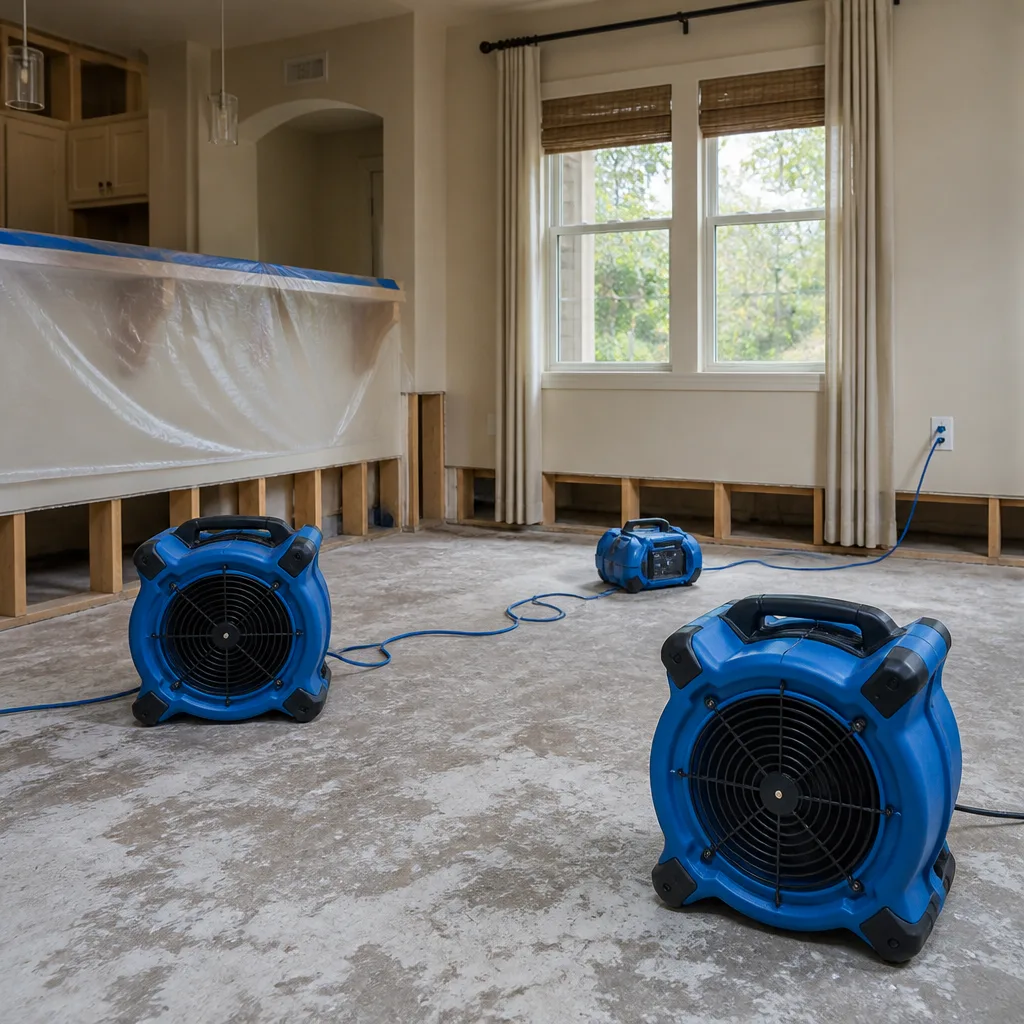 Water damage drying
 Fire & smoke cleanup
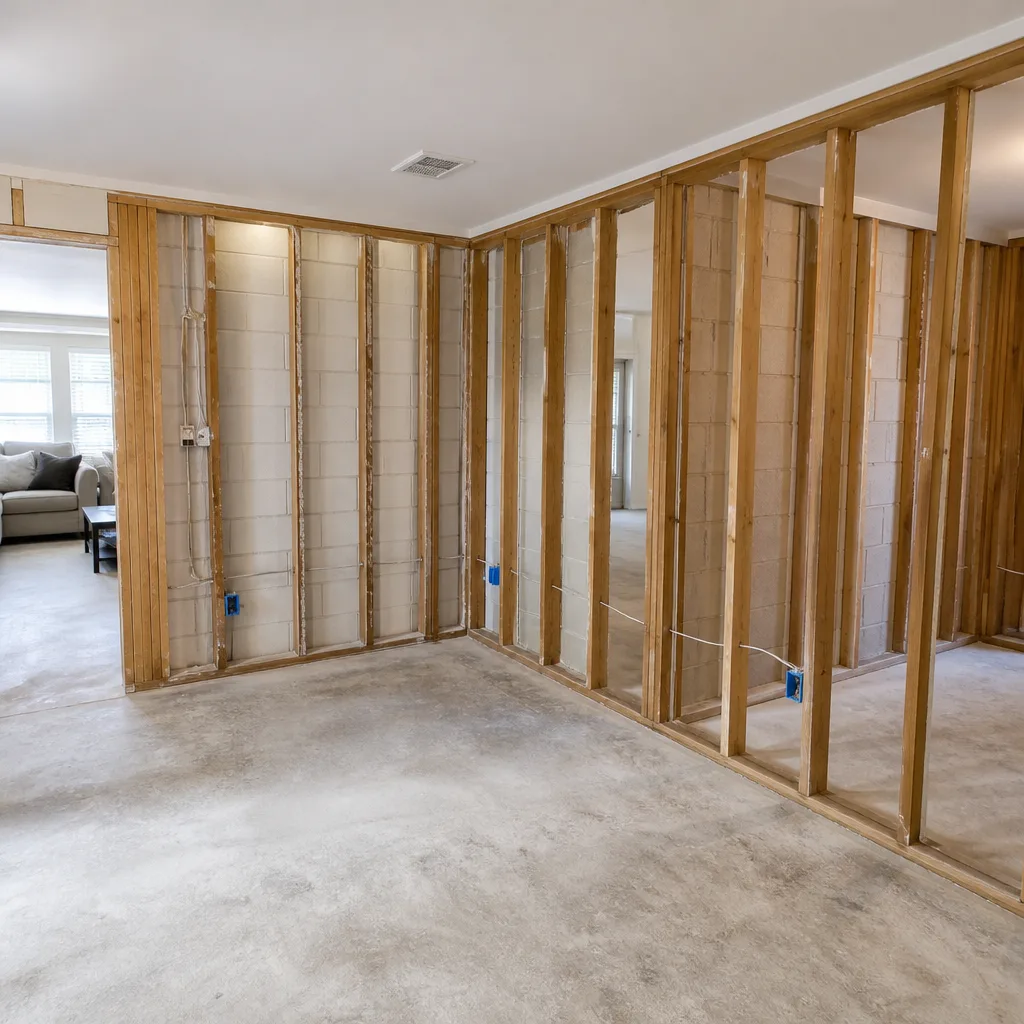 Mold remediation
 Storm response
 Sewage cleanup
 Reconstruction
Free visual inspection and a written scope of work before any mitigation begins - photos, moisture readings, and drying logs go in your claim file
The scope we write is the scope we bill. Anything new gets shown to you, in writing, before we touch it.
Get your free estimateWater Damage Restoration Maintenance Checklist for Orange County Homeowners
The most expensive water damage problem in Orange County isn’t the storm you see coming. It’s the slab leak you don’t. The average slab leak claim in Southern California runs about $11,000 by the time flooring, drywall, and baseboards are replaced. Here’s the part most checklists skip: a simple water meter test that takes 15 minutes and costs nothing can catch roughly 80% of slab leaks before they saturate your foundation. This guide-along with The Complete Guide to Damage Restoration in Orange County-walks you through the six specific failure points we see over and over in Orange County homes, room by room, in a two-hour audit you can do this weekend.
Quick Answer
The most effective water damage prevention checklist for Orange County homeowners focuses on six failure points: your water meter (for slab leaks), water heater pan and valve, washing machine supply lines, HVAC condensate drain, attic condensation from marine-layer humidity, and exterior grade sloping away from the foundation. Run a quarterly water meter test, inspect supply lines and drains every six months, and do a full exterior audit annually before the rainy season.
Restoration work we handle
Table of Contents
- The 15-Minute Water Meter Test That Catches Slab Leaks
- Why Orange County Homes Fail Differently: Clay Soil, Marine Layer, and Polybutylene
- The HVAC Condensate Drain: The Ceiling Damage You Never See Coming
- Quarterly vs. Annual Tasks: A Checklist You’ll Actually Use
- The Two-Hour Room-by-Room Audit
- When a DIY Check Reveals Something Worth Calling a Professional
- Common Mistakes to Avoid
- When to Call a Professional
- Frequently Asked Questions
The 15-Minute Water Meter Test That Catches Slab Leaks
Slab leaks are Orange County’s most expensive hidden water problem, and they rarely announce themselves. A pinhole leak in a copper pipe under your foundation can run for months before you notice warm spots on the tile, a spike in your water bill, or the faint sound of running water behind a wall. By then, the repair scope has expanded from a simple epoxy fix to full water damage repair with flooring removal and drywall replacement.
The water meter test catches these leaks early. Here’s how it works, step by step:
- Locate your water meter. In most Orange County neighborhoods, it’s in a concrete box near the curb or sidewalk, often under a metal or plastic lid.
- Turn off every water source inside and outside the home. That means faucets, showers, the washing machine, the dishwasher, the ice maker, irrigation timers, and any water features. Double-check toilets aren’t running.
- Open the meter box and find the small dial or digital readout. Most residential meters in Orange County have a low-flow indicator, often a small triangle or gear-shaped dial that spins with even the smallest flow.
- Watch the low-flow indicator for two minutes. If it moves at all, water is flowing somewhere in your system when nothing should be running.
- Shut off the main shut-off valve inside your house, then check the meter again. If the dial still moves, the leak is between the meter and your house, which is a buried supply line leak. If the dial stops, the leak is inside the house.
- For interior leaks, isolate by shutting off individual supply valves: toilets, washing machine, dishwasher, water heater. Each valve you shut off that stops the meter movement identifies the leaking fixture.
This test simultaneously catches three problem sources: slab leaks, running toilets that waste hundreds of gallons a month, and irrigation valve failures that saturate planting beds and eventually work their way toward your foundation. We recommend running it quarterly. It takes fifteen minutes, and it’s the single highest-value maintenance step on this list.
One note on the main shut-off valve. In Orange County homes built before 1990, these valves are often original gate valves that seize open from mineral buildup. If you can’t turn yours, replace it with a ball valve. When a supply line bursts, a working shut-off valve is the difference between a mop-up and a full water damage restoration in Orange County.
Why Orange County Homes Fail Differently: Clay Soil, Marine Layer, and Polybutylene
Orange County isn’t just a location. It’s a specific set of environmental conditions that stress your home’s water systems in predictable ways. Understanding these three local factors is the difference between a generic checklist and one that actually works for your house.
Clay soil expansion. Most of inland Orange County sits on expansive clay soil. Clay absorbs water and swells dramatically in the wet season, then shrinks and cracks during dry spells. This constant movement stresses buried supply lines that run from the meter to your house. It also shifts foundation slabs, which is why hairline cracks in stucco or drywall can be an early warning sign of slab movement. When that movement happens near a rigid copper supply line, the pipe gets stressed at the joint. We see this most often in Anaheim Hills, Yorba Linda, and parts of Fullerton where clay content is highest.
Marine-layer humidity and attic condensation. Coastal and near-coastal Orange County, from Huntington Beach to San Clemente and inland to Tustin and Irvine, gets the marine layer most mornings. That moisture-rich air finds its way into attics through soffit vents and can lights. When it hits cooler surfaces, it condenses. Over time, that condensation soaks into insulation and drips onto drywall ceilings directly below the roofline. Homeowners notice brown water spots on ceilings in rooms that have no plumbing above them, which is confusing until you understand the condensation mechanism. This is also the environment where attic mold can get started, which is why we recommend pairing any attic condensation check with a quick look at the underside of the roof decking. If you suspect something’s already growing, mold remediation in Orange County is a different conversation than simple water damage repair.
Polybutylene pipes in homes built 1978 to 1995. If your Orange County home was built during this window, there’s a real chance it was plumbed with polybutylene supply lines. This gray or off-white plastic pipe was used heavily in Southern California tract developments, and it degrades from chlorine exposure over time. The failure mode is often catastrophic: the pipe gets brittle and splits, not drips. If you’re in a home from this era and haven’t inspected the supply lines, check under sinks and behind toilets for gray plastic pipe. If you find it, plan for eventual repiping. At minimum, know where your main shut-off valve is and confirm it works, because a polybutylene split can release a high volume of water in a short time.
The HVAC Condensate Drain: The Ceiling Damage You Never See Coming
In our experience across Orange County, the most common source of slow, secondary water damage isn’t a burst pipe. It’s an HVAC condensate drain that’s been clogged for weeks. Your air conditioner pulls moisture out of the air every time it runs, and in Orange County, it runs a lot from May through October. That moisture condenses on the cooling coil and drips into a drain pan, which empties through a condensate line, usually a small PVC pipe that drains outside or into a plumbing fixture.
When that line clogs with algae, dust, and mineral buildup, the water has nowhere to go. The drain pan fills up and overflows. If the unit is in an interior closet or attic, that overflow soaks the platform, insulation, and eventually the drywall ceiling below. This is why you’ll see water spots on a hallway ceiling in September with no bathroom or roof directly above.
Here’s the inspection, which takes about ten minutes:
- Locate your indoor air handler. In many Orange County homes, it’s in a hall closet, the garage, or the attic.
- Check the drain pan under the unit. If it’s wet or has standing water, the drain is already clogged or slow.
- Find the condensate line’s exit point outside your home. It’s usually a small PVC pipe sticking out of an exterior wall near the unit. On a hot day when the AC is running, you should see water dripping slowly.
- If the line is accessible, check the cleanout. Many installations have a small capped tee near the unit. Remove the cap and look for visible blockage. If you can pour a cup of water in and it drains quickly, you’re fine.
- If water backs up instead of draining, that’s a clog. A wet-dry vac on the exterior exit point will usually clear it. Add a cup of white vinegar monthly during cooling season to slow future buildup.
This is a quarterly task during cooling season. It costs nothing, takes ten minutes, and prevents the single most common ceiling water damage claim we respond to in Orange County between August and October. If damage does occur, learn about Damage Restoration Cost Breakdown: The Orange County Homeowner’s Reference for 2026 to understand what to expect.
Quarterly vs. Annual Tasks: A Checklist You’ll Actually Use
Most water damage prevention guides fail because they dump thirty tasks on you at once. Nobody does that. For more guides & resources, see our blog. The checklist below splits the work into quarterly tasks that take an hour total and annual tasks you can knock out on one Saturday morning. The point is consistency, not intensity.
Quarterly Tasks (One Hour, Four Times a Year)
- Water meter leak test: The 15-minute test described above. This is the single highest-value item on the list.
- Toilet inspection: Check for a running toilet by listening, or drop a few drops of food coloring in the tank and check the bowl after 15 minutes. A running toilet wastes up to 200 gallons a day and is a constant moisture source around the wax ring.
- Supply line visual check: Look under every sink and behind the washing machine for signs of corrosion, mineral buildup, or dampness at the connections. Braided stainless steel lines are the standard; if you see gray plastic lines, that’s polybutylene and it’s on borrowed time.
- HVAC condensate drain check: The inspection described above. During cooling season, add white vinegar monthly.
- Water heater area check: Look at the top of the tank, the pressure relief valve, and the floor around the base. Rust, moisture, or mineral staining means the tank or a fitting is failing. Tank water heaters in Orange County typically last 8 to 12 years before they leak.
Annual Tasks (Half a Day, Once a Year)
- Exterior grade check: Walk the perimeter and confirm soil slopes away from the foundation for at least six inches over the first ten feet. Orange County clay soil moves seasonally, so this needs re-checking every year. Low spots against the foundation should be filled and compacted.
- Irrigation system audit: Run each zone and watch for overspray hitting the house, pooling near the foundation, or a valve that keeps running after the timer shuts off. A stuck valve can deliver hundreds of gallons to the same spot over a weekend.
- Roof and gutter visual inspection: From the ground or a ladder, look for missing shingles, cracked flashing, and clogged gutters or downspouts. Downspouts should discharge at least five feet from the foundation. In Orange County’s rainy season, a clogged gutter directing water against a stucco wall is one of the fastest paths to interior damage.
- Attic inspection: Go into the attic on a dry day and look for water staining on the roof decking, dark spots on insulation, or daylight through roof penetrations. Check the underside of the roof decking for condensation, especially if you live near the coast where marine-layer humidity is a factor.
- Water pressure check: Use a pressure gauge on a hose spigot. Your home’s water pressure should be between 40 and 80 psi. Anything over 80 stresses supply lines and fixture connections. If you’re high, have a pressure-reducing valve installed.
- Washing machine supply hoses: Replace rubber washing machine hoses with braided stainless steel if you haven’t already. Check the connections for tightness and the hoses for bulges, cracks, or stiffness.
The Two-Hour Room-by-Room Audit
This section is designed so you can print it or keep it open on your phone and walk your house in about two hours. We’ve organized it by room, with the specific thing you’re looking for in each space. Orange County homes vary a lot by era, from 1950s ranch houses in Garden Grove to 2000s stucco tracts in Ladera Ranch, but the failure points are consistent.
Kitchen
- Under-sink supply lines: Look for corrosion at the shut-off valves and any sign of moisture or mineral staining on the cabinet floor. Flex your hand to check that valves turn. A seized shut-off valve under the kitchen sink means a future leak becomes a future emergency.
- Dishwasher supply and drain: Check the connection under the sink where the dishwasher drain hose connects to the disposal or drain line. The hose clamps loosen over time. Run a short cycle and look for drips at the connection.
- Refrigerator ice maker line: If you have a saddle valve or a plastic supply line feeding the ice maker, consider replacing it with a braided stainless line and a proper quarter-turn shut-off. Saddle valves and plastic lines are the most common cause of slow kitchen-floor damage we see.
Bathrooms
- Toilet base stability: Gently rock the toilet by pressing on the tank. If the toilet moves at all, the wax ring seal is compromised. A toilet that rocks slightly will eventually leak at the base, and that water goes straight into the subfloor.
- Caulk and grout integrity: Check the tub and shower surround for cracked or missing grout and the corners for failed caulk. Water that gets behind tile doesn’t dry out; it soaks the backer board and studs. This is one of the most common sources of hidden bathroom water damage in Orange County homes of any age.
- Shower valve and tub spout: Look for water staining on the wall behind the shower valve or around the tub spout. Both are evidence of slow leaks inside the wall cavity.
Laundry Room
- Supply hoses: Check for bulges, cracks, and corrosion at the hose ends. Replace rubber hoses with braided stainless. Turn off the supply valves when you leave town for more than a few days.
- Drain and vent: Make sure the washing machine drain hose is inserted at least a few inches into the standpipe and isn’t kinked. A loose drain hose can pump water directly onto the floor during the spin cycle.
Garage
- Water heater: Check the area under and around the water heater for moisture, rust, or mineral buildup. Look at the temperature-pressure relief valve, which is the small lever on the top or side. If there’s water around the discharge pipe, the valve is not seating properly or the tank is overpressurizing.
- Exposed supply lines: If your garage is unfinished, you can see the pipes running through the walls or ceiling. Look for green corrosion on copper, mineral crust at joints, or damp spots on the concrete floor below.
Exterior
- Hose bibs: Confirm each hose bib has a working backflow preventer and that water shuts off completely when the handle is turned. A hose bib that drips after shut-off is a slow leak at a fitting that’s often buried in the wall.
- Stucco cracks: Stucco is common on Orange County homes, and it develops hairline cracks from clay soil movement and seismic activity. Any crack wider than about 1/16 inch can channel water behind the stucco during rain. Seal narrow cracks with elastomeric caulk; larger cracks warrant a look from a pro.
- Downspout discharge: Every downspout should discharge onto a splash block or extension that carries water at least five feet from the foundation. The most common exterior water damage source we see in Orange County is a downspout that ends right at the foundation edge.
When a DIY Check Reveals Something Worth Calling a Professional
Most of what’s on this checklist is genuinely DIY. You don’t need a professional to watch a meter dial or look for moisture under a sink. But some findings are a signal to pick up the phone and call for our Water Damage Restoration services, and knowing the difference saves you money in the long run. The pattern is consistent: if you can see the source and the damage is contained to the surface, it’s likely DIY. If the water source is hidden or the affected area spans multiple surfaces, you need a professional assessment.
Here are the specific triggers that warrant a call:
- The water meter test shows flow when everything is off, and you can’t isolate it to a fixture. That likely means a slab leak or a buried supply line leak. Both require professional locating and repair.
- You find water staining on a ceiling with no plumbing above it. This is usually condensation or a roof leak, and both need investigation before the scope becomes clear.
- Your water heater is showing rust at the base or you hear popping sounds consistently. A leaking water heater has a limited lifespan, and a tank that lets go releases 40 to 80 gallons at once.
- You smell musty odor in a room with no visible water. Hidden moisture is feeding something. The longer it sits, the more extensive the remediation.
- Your home has polybutylene supply lines and you’re planning any kind of plumbing work. Get a professional repipe scope before you open walls. The cost of repiping is a fraction of the cost of a polybutylene split event.
When you do call a professional, ask the right questions before anyone steps onto the property. Get a written scope of work with a price before any work starts. Ask whether the technician is IICRC-certified and what drying equipment they’ll use if there’s active moisture. Ask how they’ll document the job; before-and-after photos should be standard. At Wendell Restoration Orange County, we put the price in writing before any work starts, send a live arrival time so you’re not waiting on a four-hour window, and text before-and-after photos so you can see the work without being on-site. That’s the standard you should hold any restoration company to.
What Drying Actually Means
If you do end up with active water damage, it helps to understand what professional drying involves, so you can evaluate any contractor’s plan. The industry standard is psychrometric drying, which means tracking the air’s moisture level, temperature, and relative humidity to determine exactly when materials are truly dry, not just surface-dry to the touch. A professional will take moisture readings before, during, and after the drying process, targeting specific moisture-content levels for different materials like drywall, wood, and concrete. Equipment typically includes high-volume air movers and commercial dehumidifiers from manufacturers like Dri-Eaz and Phoenix, which we use on our jobs because they produce measurable, documented results. If a contractor can’t explain their drying plan in these terms, keep looking.
Another concept worth knowing is IICRC protocol, which is the set of industry standards for water damage restoration. It covers everything from the categories of water (clean, gray, or black) to the required drying timeframes and the appropriate antimicrobial treatments for different situations. A contractor working under IICRC standards will be able to tell you which category your water loss falls into and what that means for the restoration approach. It’s the difference between a contractor who guesses and one who follows a documented process. We hold every job at Wendell Restoration Orange County to IICRC, RIA, and IFA standards, which is the same expectation large commercial loss sites use.
Common Mistakes to Avoid
- Skipping the water meter test because the water bill hasn’t spiked. Slab leaks develop slowly, and Orange County water districts bill bi-monthly. A leak can run for weeks before you see a bill that alerts you. The meter test catches it in real time.
- Assuming a water spot on the ceiling is from the roof. In Orange County, especially in coastal and near-coastal areas, a ceiling stain with no roof penetration above it is often attic condensation from marine-layer humidity. It’s a different fix than a roof leak, and treating it like a roof leak wastes money.
- Ignoring a toilet that rocks slightly. A moving toilet is a leaking toilet waiting to happen. The wax ring seal is already compromised the moment you feel movement. The fix is inexpensive; the subfloor replacement if you ignore it is not.
- Waiting to replace polybutylene pipes. Homes built between 1978 and 1995 in Orange County are on borrowed time with these pipes. They don’t fail gracefully; they split. Planning a repipe on your schedule is always cheaper than responding to an emergency.
- Keeping rubber washing machine hoses. Rubber hoses dry out, crack, and burst, typically when you’re not home. Braided stainless hoses cost about $20 a pair and take ten minutes to install.
- Skipping the annual downspout check. Orange County gets most of its rain in a handful of storms. A downspout that was fine in July can be clogged by December’s first big storm, and that focused water against the foundation is doing damage within hours.
- Using a contractor who won’t put the price in writing before starting. In water damage restoration, the scope grows as walls are opened and drying progresses. A contractor who can’t give you a written price before work starts is a contractor who can name any number after the work is done.
When to Call a Professional
You don’t need a professional for the checklist itself. That’s the point. But if your audit turns up active moisture, a water meter test that shows an unisolatable leak, visible mold, or a water heater showing signs of failure, call before the damage spreads. Restoration costs scale with time, not severity. A pinhole leak caught by a water meter test is a plumbing call. The same leak left for six months is a full restoration with flooring removal, drywall replacement, and drying time.
Wendell Restoration Orange County offers free estimates throughout Orange County. Call (350) 207-2599 and a live person answers, 24/7. We’ll give you a written price before any work starts, a live arrival time you can track, and before-and-after photos by text so you can see exactly what was done. If you’re not sure whether what you found is worth a pro’s time, call anyway. The estimate is free, and a ten-minute conversation is cheaper than a bad guess.
Frequently Asked Questions
The most reliable way to check is the water meter test described above: turn off all water in the home, then watch the low-flow indicator at the meter. If it moves, water is flowing somewhere it shouldn’t be. Other signs include warm spots on the floor, the sound of running water when nothing is on, and unexplained increases in your Orange County water bill.
Quarterly is the right cadence for most Orange County homeowners. It takes about fifteen minutes, catches slab leaks and running toilets, and aligns with the seasonal changes in clay soil that stress buried lines. If you have an older home with original copper plumbing, checking monthly during the wet season is a reasonable extra step.
In our experience, it’s the HVAC condensate drain. Clogged condensate lines overflow into drain pans, which then soak insulation and drywall, typically in the hottest months when AC runs hardest. Homeowners often mistake the resulting ceiling stains for roof leaks because the water appears with no plumbing directly above.
Most homeowners policies in Orange County cover sudden and accidental water damage from a slab leak, including access costs to reach the pipe. Coverage for the pipe repair itself varies by policy and carrier. Document everything with photos before, during, and after any repair, and contact your adjuster as soon as you identify the issue. A restoration company that provides photo documentation and can work directly with your adjuster makes the claims process significantly smoother.
The key is ventilation and air sealing. Make sure your attic has adequate soffit and ridge or gable vents, and seal any air leaks from the living space into the attic around can lights, bathroom fans, and attic hatches. Marine-layer humidity finds its way in through these pathways and condenses on cooler attic surfaces. Improving airflow and sealing penetrations addresses the mechanism, not just the symptom.
Stop and assess. If the visible mold covers less than about ten square feet, it may be a contained cleaning job. Anything larger, or any mold with a noticeable odor, warrants a professional mold remediation in Orange County assessment. Don’t disturb the mold or try to clean it with bleach, which doesn’t address the moisture source and can release spores. Call (350) 207-2599 and we’ll walk you through what you’re seeing before you spend a dollar.
The Bottom Line
Water damage prevention in Orange County isn’t about avoiding every possible leak. It’s about knowing where your specific home is most likely to fail, given its era, its location, and the local climate, and checking those points consistently. The water meter test catches slab leaks before they become $11,000 claims. The HVAC condensate check prevents the slow ceiling damage that confuses so many homeowners. Quarterly tasks take an hour. The annual audit takes half a day. The pattern is always the same: small, regular attention beats big, irregular emergencies. The full checklist lives at our Wendell Restoration Orange County home page, along with what to do if something goes wrong despite your best efforts. The point is to walk your house, know your failure points, and check them on a schedule. Do that, and you’ve already prevented most of what we get called for.
Written by Blake Sorensen, Owner at Wendell Restoration Orange County, serving Orange County since 2006.
See the difference
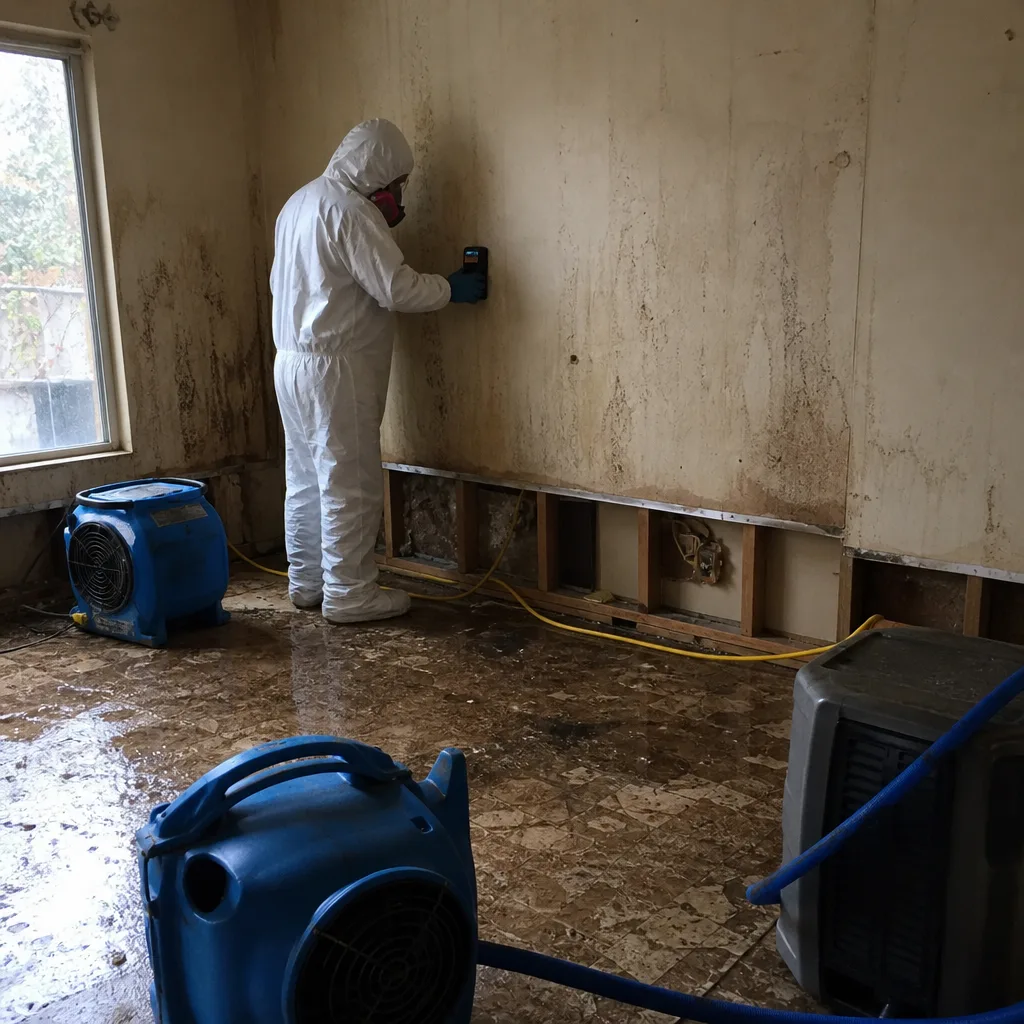 Before
 After
After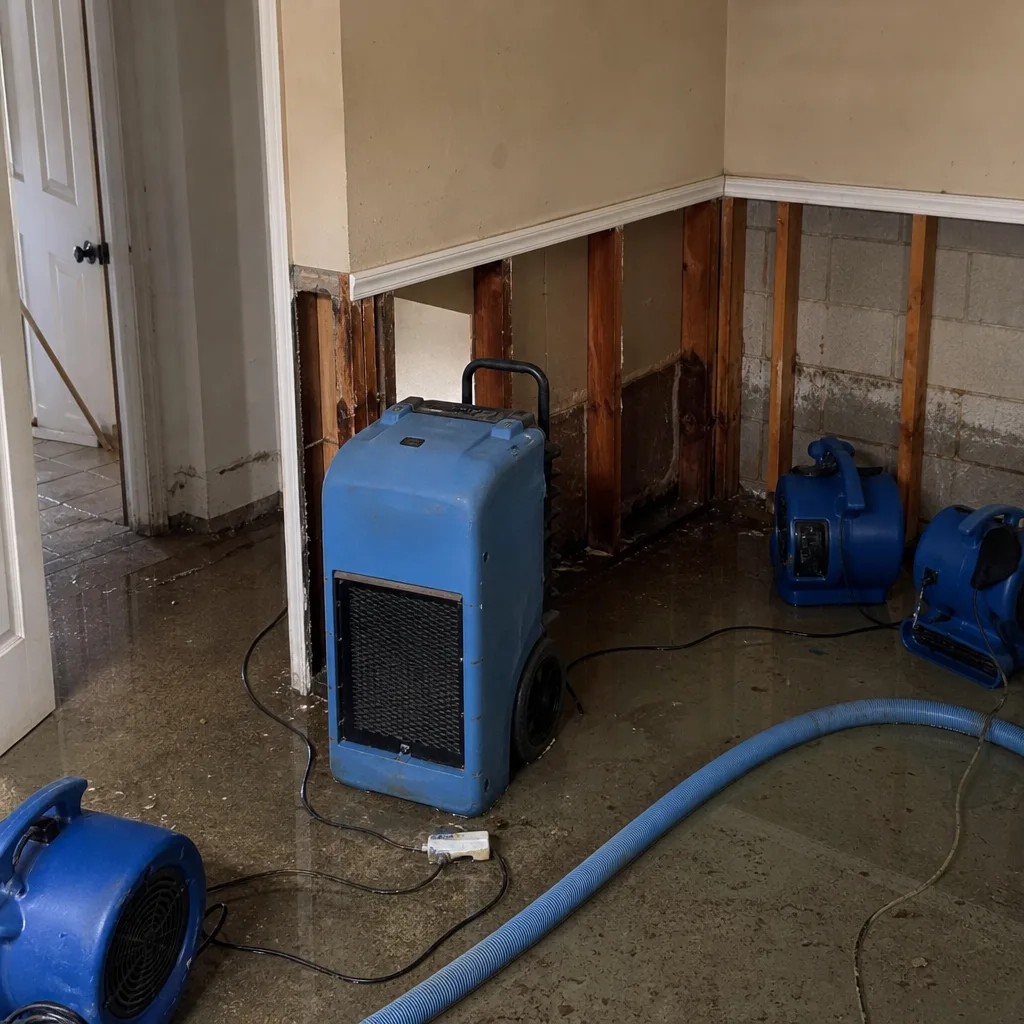 Before
 After
After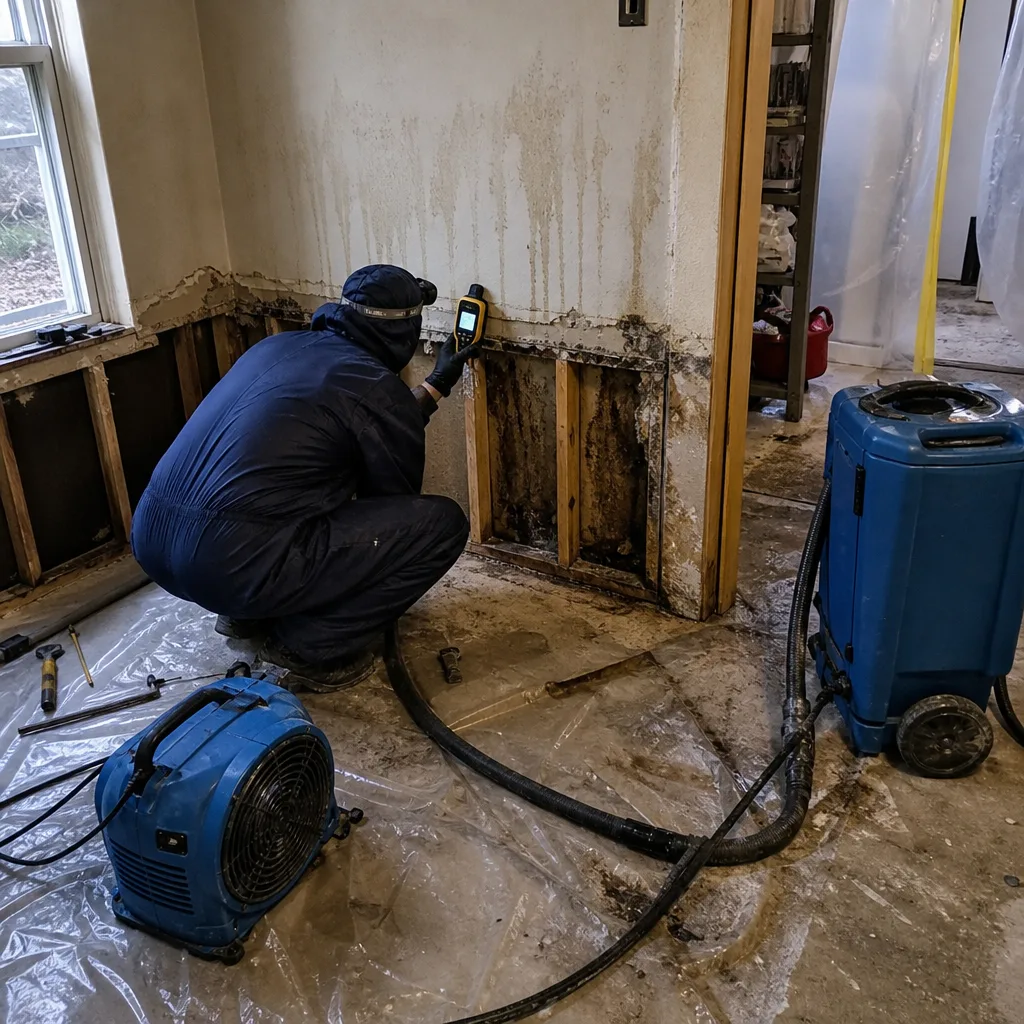 Before
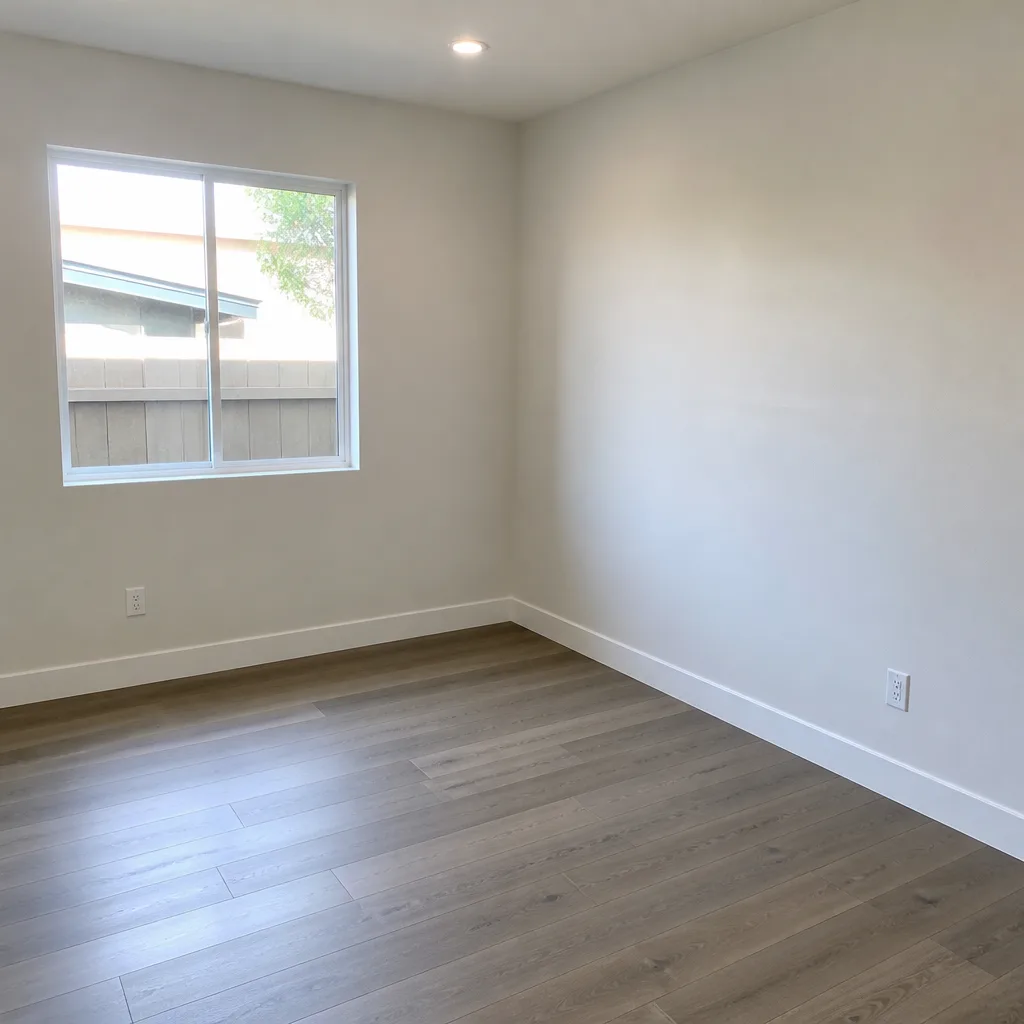 After
After