
Last updated October 16, 2026
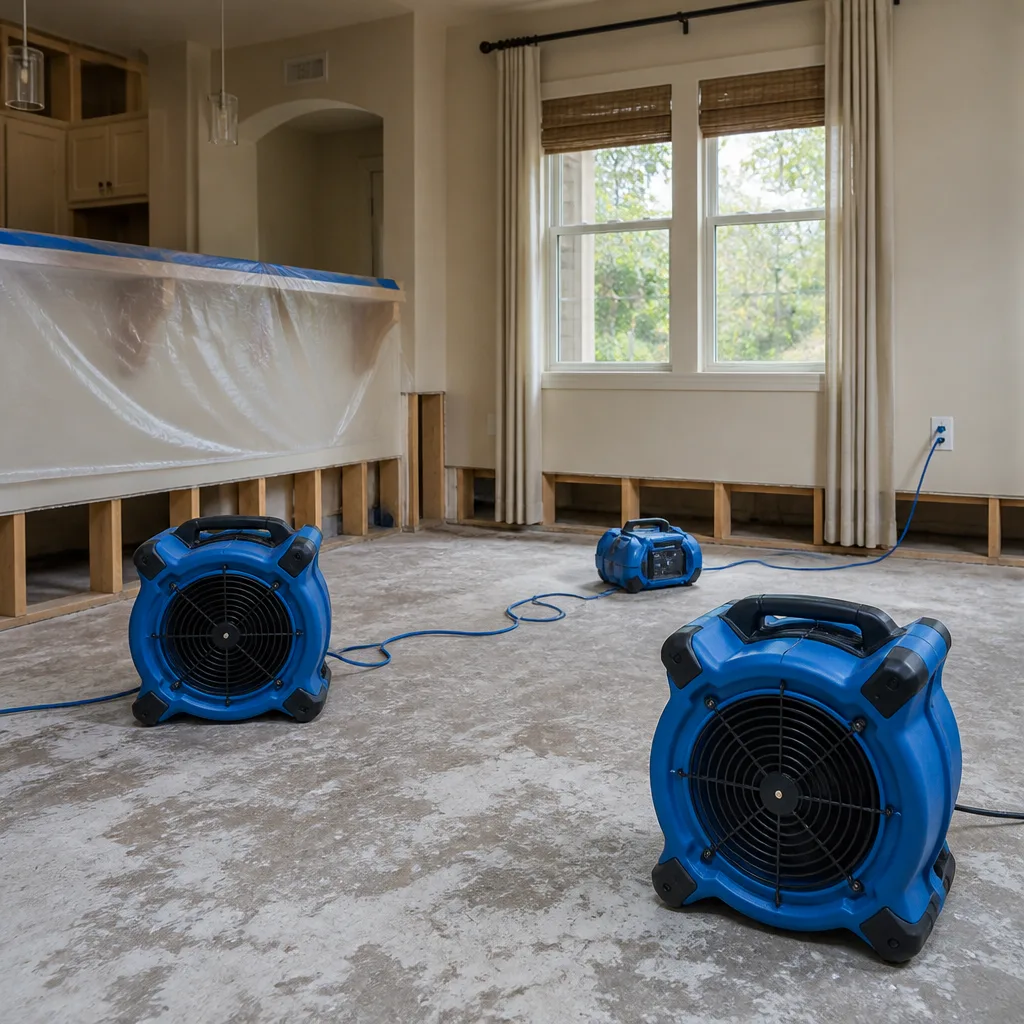 Water damage drying
 Fire & smoke cleanup
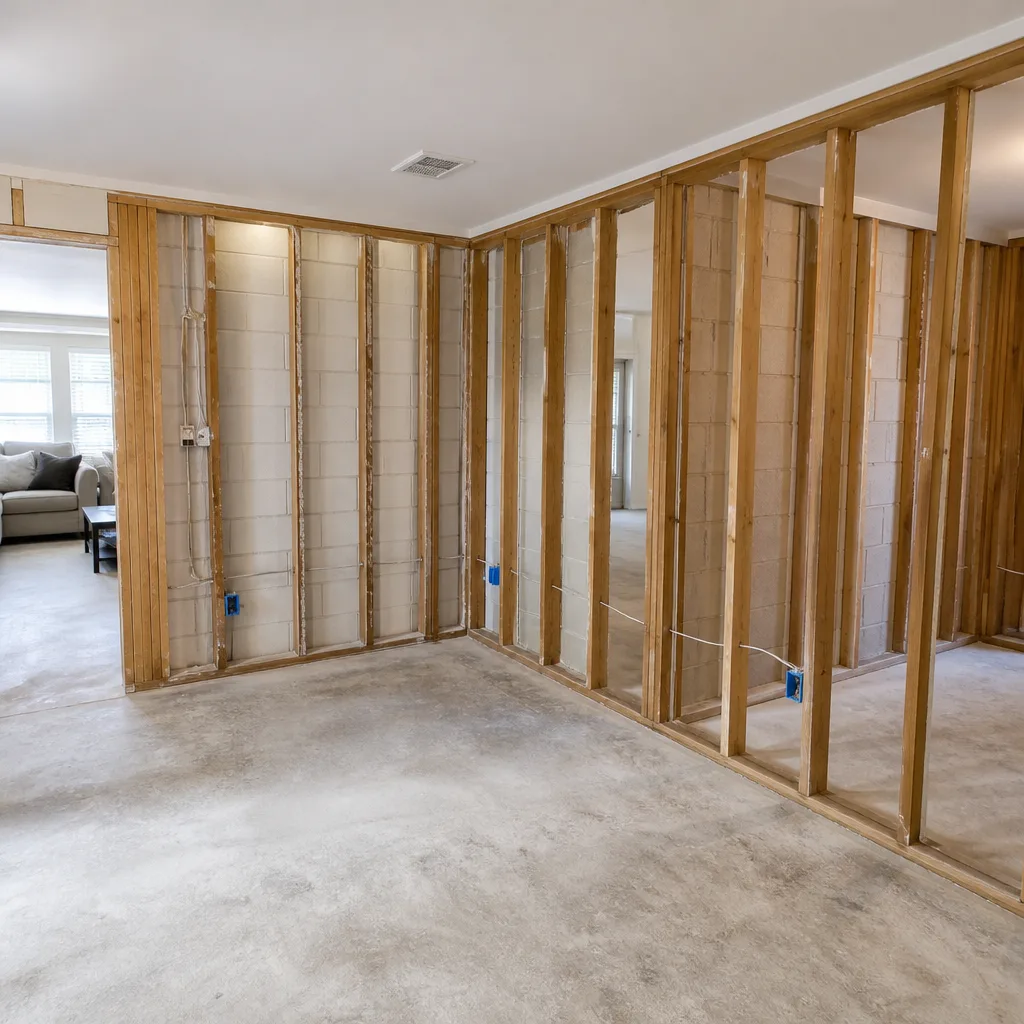 Mold remediation
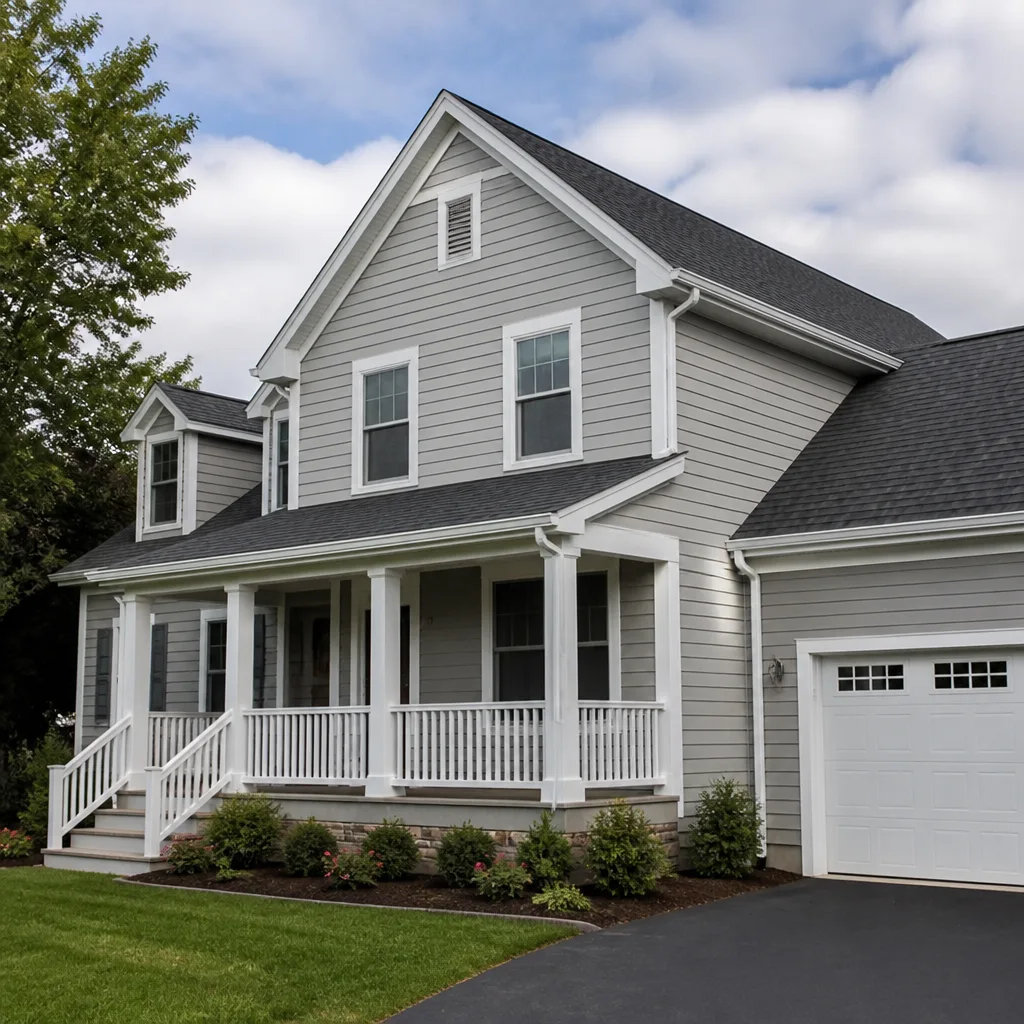 Storm response
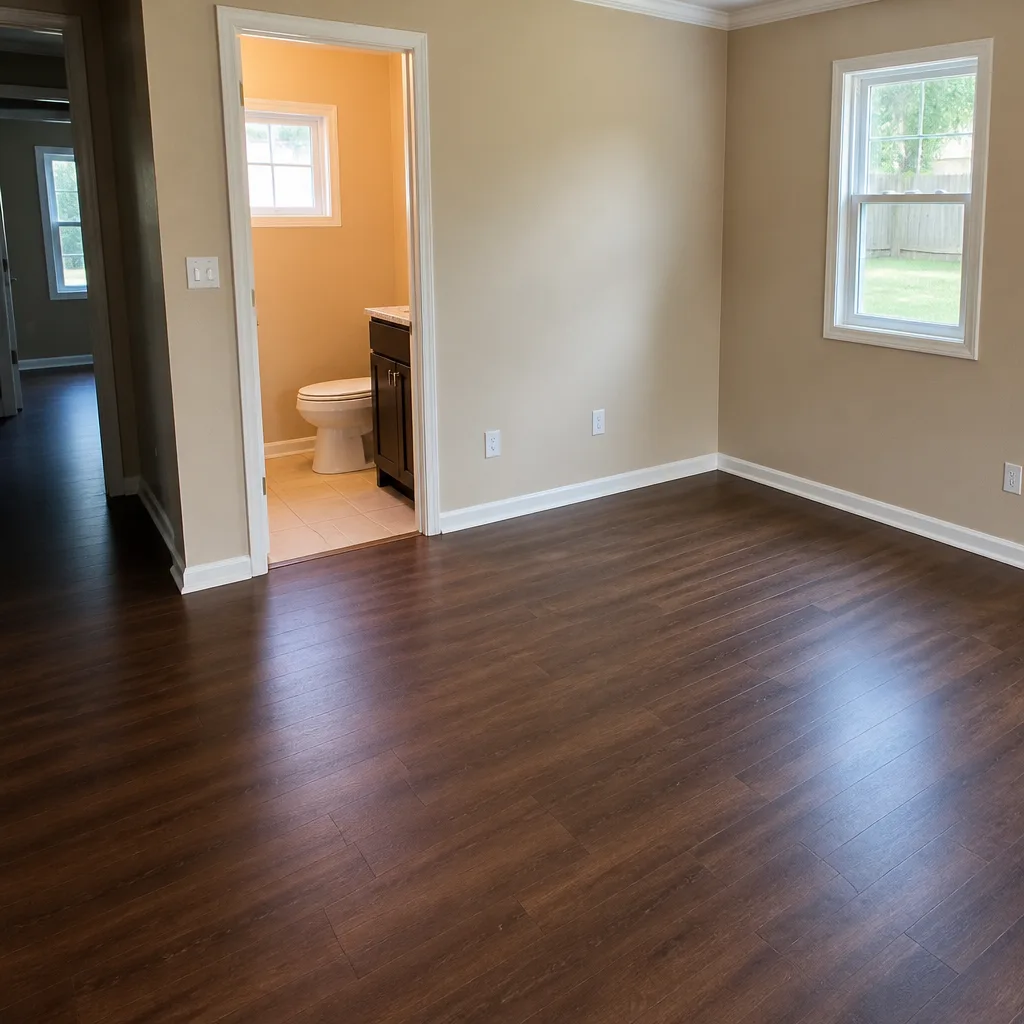 Sewage cleanup
 Reconstruction
Free visual inspection and a written scope of work before any mitigation begins - photos, moisture readings, and drying logs go in your claim file
The scope we write is the scope we bill. Anything new gets shown to you, in writing, before we touch it.
Get your free estimateDIY vs Professional Damage Restoration: The Orange County Homeowner’s Decision Guide
Renting a wet-vac and a fan from Home Depot after a bathroom overflow isn’t DIY restoration. It’s surface drying that leaves 60 to 70 percent of the moisture trapped inside wall cavities and subfloor, exactly where mold needs 72 hours to colonize. Orange County’s stucco-over-wood-frame tract homes, especially those built between 1960 and 1990, hide water in ways a visual inspection never catches. This guide maps the real line between what a homeowner can safely handle and what requires a professional, with the specific numbers, thresholds, and local code realities more guides & resources often skip.
Restoration work we handle
Quick Answer
DIY is reasonable only for surface water on sealed, non-porous materials: a tile floor, sealed concrete slab, or bathtub overflow caught within minutes, with no drywall, insulation, or wood framing affected. The moment water touches drywall, wicks into baseboards, or sits longer than 24 hours, professional moisture mapping and engineered drying become the difference between a $2,000 extraction and a $14,000 mold remediation. In Orange County’s semi-arid climate, homeowners often assume things dry out fast, but wall cavities trap humid air against wood framing for weeks.
Table of Contents
- What DIY Actually Addresses (And What It Misses)
- The Moisture Thresholds That Define the DIY Line
- What Professional Moisture Mapping Reveals in OC Tract Homes
- California’s IICRC S500 Standard, Explained for Homeowners
- The Real Cost Comparison: DIY vs. Professional
- The Insurance Angle Most Homeowners Miss
- The Two-Minute DIY Decision Tree
- Common Mistakes to Avoid
- When to Call a Professional
- Frequently Asked Questions
- The Bottom Line
What DIY Actually Addresses (And What It Misses)
Let’s be honest about what a wet-vac, box fan, and dehumidifier from the rental counter actually do. They pull standing water off the surface and circulate air across whatever is exposed. On a sealed concrete slab in a Laguna Niguel garage, that might be enough. On an oak hardwood floor in a Fullerton 1970s ranch, that approach leaves the underside of the boards saturated for days while the top looks and feels dry.
The problem is physics. Water inside a wall cavity doesn’t evaporate quickly because there’s no airflow inside the cavity. A fan pointed at drywall moves air across the surface, but the paper backing, insulation, and wood studs behind it hold moisture like a sponge in a plastic bag. The visible surface dries. The hidden layer stays wet. That’s the scenario that produces the “musty smell six weeks later” call we get regularly from Orange County homeowners who thought they handled a small leak themselves.
Here’s what DIY surface drying genuinely addresses:
- Standing water on tile or sealed concrete, when caught within minutes and squeegeed or wet-vacced promptly
- A bathtub overflow where the water never left the bathroom floor and the floor is vinyl or tile
- A dishwasher leak caught immediately, where the floor beneath is slab concrete and the kickplate is the only affected wood
- A toilet supply line break on a concrete slab, shut off within a few minutes, with no water reaching walls
Here’s what it consistently misses:
- The bottom 12 to 24 inches of drywall that wicked water upward long after you cleaned the floor
- The subfloor under vinyl plank or sheet vinyl that trapped moisture between two impermeable layers
- The insulation inside an exterior wall that acts as a wick, pulling water up from the baseplate
- The wood framing hidden behind kitchen cabinets, where water pooled undetected
- The secondary damage that starts as a musty odor and becomes visible mold around baseboards within 3 to 6 weeks
We’ve walked into homes in Irvine and Mission Viejo where the homeowner dried the visible water perfectly and the wall behind the sofa was already colonized. The DIY job looked fine. It wasn’t.
The Moisture Thresholds That Define the DIY Line
Restoration professionals measure moisture in two ways: moisture content (MC) of solid materials like wood and drywall, and relative humidity (RH) of the air inside cavities. The numbers matter because they tell you whether drying is actually happening or just appears to be.
A healthy wood stud in an Orange County interior wall reads 8 to 12 percent MC on a quality meter. Once water exposure pushes that above 16 percent, mold can begin growing on the surface within days. Above 20 percent, you’re in active decay territory for some wood species. Drywall is even more fragile: gypsum board that reads above 1 percent on a moisture scale is considered wet, because drywall has almost no tolerance for moisture before it loses structural integrity and becomes a mold food source.
So here’s the practical threshold, in plain terms:
DIY-safe zone: Surface water only, no porous materials affected, water present for under 30 minutes, Category 1 water (clean supply line or bathtub overflow, nothing contaminated), and the affected surface is tile, sealed concrete, or another non-porous material. If you can verify with confidence that nothing porous touched the water, DIY drying with a wet-vac and air mover is reasonable.
Professional territory: Any water that touched drywall, baseboards, cabinetry, hardwood, carpet pad, or any wood framing. Any water that sat for more than 24 hours, regardless of material. Any Category 2 water (washing machine discharge, dishwasher overflow, aquarium leak) or Category 3 water (sewage, outdoor flood water, toilet overflow beyond the bowl) even in small amounts. If you’re unsure, default to treating it as professional territory until proven otherwise.
Here’s the part most guides won’t say plainly: the threshold isn’t really about the amount of water. It’s about what the water touched and how long it sat. A half-inch of clean water pooled on a tile bathroom floor for 20 minutes is genuinely DIY-safe. A half-inch of the same clean water that reached the baseboard is not. The baseboard wicks. The drywall behind it wicks. The stud behind that wicks. Thirty minutes after the water touched the baseboard, the moisture has already traveled up three or four inches inside the wall. You can’t see that. A meter can.
What Professional Moisture Mapping Reveals in OC Tract Homes
Professional restoration technicians use moisture mapping, which means taking systematic readings across floors, walls, and ceilings with commercial-grade meters like Tramex or Delmhorst units that cost $800 to $3,000, not the $40 two-pin meter from a hardware store. The difference isn’t precision. It’s penetration.
A box-store moisture meter measures the surface or a thin layer in pin mode. A professional meter with non-invasive capacitance sensors reads through flooring and drywall to detect moisture trapped underneath or behind materials. When we walk a flooded kitchen in a Mission Viejo tract home, we’re not looking for wet spots. We’re building a map of where moisture traveled, how deep it penetrated, and what path it took through the framing.
The scenarios that matter for Orange County specifically:
- Stucco exterior walls: OC homes built before 1990 often have stucco over wood frame with paper-backed lath. Water that reaches the interior drywall can wick through insulation and create a condensation layer against the interior face of the stucco. That moisture takes weeks to dissipate without engineered drying. A visual inspection sees nothing. A professional meter reads elevated moisture through the wall cavity.
- Slab-on-grade foundations: Most single-story OC homes sit on concrete slabs. Water flowing across a slab looks contained until you measure at the wall junction, where the bottom plate of the framing sits directly on the concrete. That bottom plate wicks water readily, and if the flooring was vinyl or laminate, moisture trapped between the flooring and slab travels inches or feet from the visible spill.
- Raised foundations in older beach communities: Homes in parts of Huntington Beach, Seal Beach, and San Clemente built on raised foundations have crawl spaces. Water in a wall can drain down into the crawl space, and if the crawl space has no vapor barrier or the vents are closed, that moisture sits and grows mold on the floor joists. Homeowners often never see it until the smell appears.
- Two-story homes with upstairs laundry: A washing machine overflow upstairs in a Laguna Hills home distributes water through the ceiling joists, across the subfloor, and down through the drywall below. The water can travel 10 to 15 feet from the source before exiting through a light fixture or ceiling seam. By the time you see it in the room below, the damage is already widespread.
This is the honest gap between DIY and professional: a professional moisture map shows you exactly where water went, so you dry everything, not just what you can see. DIY drying addresses what’s visible. The water you can’t see is the water that grows mold.
California’s IICRC S500 Standard, Explained for Homeowners
The IICRC S500 Standard and Reference Guide for Professional Water Damage Restoration is the document that defines how water damage should be handled. It exists for one reason: to standardize what “properly dried” means, so a homeowner in Orange County gets the same quality of drying as a commercial client in a Phoenix office tower. The S500 classifies water by category, defines the four classes of water damage severity, and establishes drying principles based on psychrometrics (the science of moisture in air and materials).
Here’s what actually matters for a homeowner deciding between DIY and professional:
- Water Category determines safety. Category 1 is clean water (supply line break, tub overflow). Category 2 is contaminated water (washing machine discharge, dishwasher overflow) that can cause illness. Category 3 is grossly contaminated water (sewage, flood water, outdoor groundwater) that requires full PPE and professional handling. If you can’t confirm the water is Category 1, you shouldn’t be handling it without protective equipment, which most homeowners don’t have.
- Class of damage determines drying scope. Class 1 is minimal water in a small area. Class 4 is deep saturation in materials that dry slowly, like hardwood, plaster, or concrete. Class 4 situations require specialty drying systems (injectidry systems for walls and under cabinets, floor mat systems for hardwood) that aren’t available at rental counters. The S500 defines when those are needed, and most DIY scenarios that reach Class 3 or 4 are beyond what a homeowner can physically dry with rental equipment.
- Psychrometric monitoring is a requirement, not an option. The S500 requires that dryers monitor relative humidity and moisture content daily until materials reach a dry standard. This means using psychrometric drying (tracking the air’s moisture level so we know when your home is truly dry, not just surface-dry) with daily readings and adjustments. A homeowner who runs a fan for three days and feels the surface is dry has no way to verify the wall cavity is dry.
- The mold threshold section matters. The S500 references mold growth parameters, and California’s Toxic Mold Protection Act and the California Department of Public Health guidelines make it clear: visible mold affected by water damage becomes a health issue, and remediation above 10 square feet requires a professional. In Orange County, the 10-square-foot threshold is the line where a homeowner doing remediation on their own goes from “cleaning” to “creating a potential disclosure issue when selling the home.”
Here’s the bottom line on S500 as it applies to your situation: it doesn’t legally forbid DIY drying. What it does is define the professional standard, and insurance companies increasingly expect that standard to be met. If you file a claim after a self-dried loss develops secondary damage, the claim adjuster will ask who did the drying and to what standard. The answer “I ran some fans” is not going to support a $10,000 mold claim.
The Real Cost Comparison: DIY vs. Professional
Let’s put specific numbers on this, because “professionals cost more” isn’t the whole story. Here’s an honest breakdown for a typical Orange County scenario: a water heater supply line breaks and saturates about 200 square feet of carpet, baseboards, and drywall in a single-story Tract home.
DIY approach:
- Wet-vac rental from a local equipment yard or Home Depot: $35 to $60 per day, 2 to 3 days: $70 to $180
- Air movers (high-velocity fans) rental: $25 to $40 per day, per unit; a 200-square-foot area needs 3 to 4 units for 3 to 5 days: $225 to $800
- Dehumidifier rental: $40 to $70 per day for 3 to 5 days: $120 to $350
- Box-store moisture meter: $30 to $60
- Baseboard removal and disposal: $20 to $40 in materials
- Your time: 8 to 12 hours over the course of the week, assuming you’re able to monitor, move equipment, and make decisions
- Total DIY out-of-pocket: $465 to $1,390
Professional restoration:
- Carpet removal and pad replacement (if needed): $1.50 to $3.50 per square foot
- Extraction and moisture mapping: $300 to $600
- Structural drying with commercial equipment: $800 to $1,800 for this size project
- Baseboard and drywall repair after drying: $600 to $1,500 depending on scope
- Total professional cost: $1,700 to $3,900, with most insurance-covered claims leaving the homeowner responsible for their deductible: typically $500 to $1,500 in Orange County
Here’s what the numbers hide: the DIY approach has a significant risk of failure. If the hidden moisture leads to mold inside the wall cavity, you’re now looking at a mold remediation in Orange County that typically runs $2,500 to $6,000 for a small area and $12,000 to $25,000 for a large one. The DIY savings of $500 to $1,000 becomes a $10,000 to $20,000 loss within 6 to 8 weeks.
The professional cost also includes something intangible but real: documentation. A professional restoration company provides photo documentation, moisture readings, and a written scope of work that insurance adjusters accept. If you’re filing a claim, that documentation is worth the deductible difference.
The Insurance Angle Most Homeowners Miss
Most Orange County homeowners assume their insurance covers water damage. It does, with two critical exceptions: flooding from outdoor sources (which requires separate flood insurance) and secondary damage caused by inadequate drying. That second exception is the one that catches DIY-minded homeowners.
Here’s how it plays out in Southern California: your water heater leaks on a Tuesday, you decide to handle it yourself to avoid a deductible, you dry what you can see. Six weeks later, the baseboards in the adjacent room start showing dark staining. You call your insurance company. The adjuster asks when the original leak happened and who performed the drying. You explain you did it yourself. The adjuster notes in the file that the secondary damage resulted from insufficient drying after the initial loss. The mold claim gets denied, or partially denied, because the policy language typically excludes losses that result from a failure to mitigate the original damage.
This is not a lecture. It’s math. If your deductible is $1,000 and the professional water damage restoration in Orange County job would have cost $2,800 (leaving you with $1,000 out of pocket and a professional documentation file), and your DIY job saves that $1,000 but leads to a $4,000 mold issue that insurance won’t cover, you’ve lost $3,000.
There’s also the direct billing reality. Professional restoration companies work directly with insurance adjusters every day. They speak the language of the policy, they document per IICRC S500 standards, and they invoice in the format adjusters expect. That doesn’t mean you can’t navigate insurance on your own. It means a professional makes it dramatically easier and faster, and it means your claim is supported by documentation that meets the standard your policy expects.
The Two-Minute DIY Decision Tree
Here’s the straightforward process we recommend to any Orange County homeowner standing in front of a wet floor, wondering whether to rent equipment or make a call. Three questions. Answer them honestly.
- What did the water touch? If the answer includes drywall, baseboards, cabinets, hardwood, carpet pad, or any wood framing: call a professional. If the water touched only tile, sealed concrete, or another non-porous surface, go to question two.
- How long has the water been there? If it’s been more than 24 hours since the water appeared or since you noticed it: call a professional. Mold colonization starts at 24 to 72 hours in the right conditions, and Orange County’s mild indoor temperatures sit right in the mold-friendly zone. If under 24 hours, go to question three.
- What kind of water is it? If it’s clean supply-line water or a bathtub overflow: you’re in the narrow DIY-safe window, provided you can also confirm the water never reached porous materials. If it’s dishwasher discharge, washing machine water, aquarium water, or anything worse: call a professional. Category 2 and 3 water require sanitizing protocols, not just drying.
If you’re in the DIY-safe zone: extract what you can with a wet-vac, run a dehumidifier and fans, monitor for 48 hours, and call immediately if you notice any musty odor, staining, or warping. For a full maintenance routine, see our Water Damage Restoration Maintenance Checklist for Orange County Homeowners. Those are the early signs that moisture went somewhere you can’t see.
If you’re not in the DIY-safe zone, here’s what to say on the call to get a price before anyone arrives: “I had [source of water] at approximately [time] today/yesterday, the water reached [specific materials or rooms], and I’d like a written price before any work starts.” A company that hesitates on the written-price request is telling you something. We put the price in writing before any work starts, every time, no exceptions.
Common Mistakes to Avoid
- Pointing fans at walls without removing baseboards. Air across the surface of drywall does almost nothing for water trapped behind it. The baseboards trap moisture against the wall framing. Leaving them in place during drying creates a dark, humid microclimate that is exactly where mold thrives in Orange County homes.
- Using a household dehumidifier for a flooded room. A residential dehumidifier from Costco pulls a few pints of water per day. A commercial dehumidifier from Dri-Eaz or Phoenix pulls 15 to 30 gallons per day. A flooded room needs commercial capacity. Running a household unit for a week won’t dry a saturated wall cavity.
- Assuming tile floors mean no subfloor damage. Tile is non-porous, but the grout lines aren’t, and the mortar bed under the tile holds water like a sponge. In older OC homes, a tile-over-mortar bed floor can hold gallons of water that evaporates slowly into the subfloor below.
- Trusting a visual inspection after drying. “Looks dry” and “is dry” are different things. Wall cavities don’t offer a view. Without a professional moisture meter that reads through materials, you’re guessing.
- Waiting to see if it gets better. The 72-hour mold window doesn’t pause while you decide. Every day of delay in a wet environment is another day of colonization. The decision to call a professional after three days of unsuccessful DIY is not the same as calling on day one.
- Not documenting the initial damage. If you’re going to attempt any DIY, photograph everything before touching it, including the water source, the extent of the water, and any visible damage. If you end up filing a claim, photos taken before you started working can be the difference between a covered claim and a denial.
- Ignoring the source of the water. Drying is secondary to stopping the source. A supply line that fails once will fail again if not replaced. A slow leak behind a wall that you dry without fixing will re-wet everything. The first step of any water damage response is stopping the water.
When to Call a Professional
Call a professional immediately if any of these apply: water touched drywall, baseboards, or wood framing; the water sat for more than 24 hours; the water is Category 2 or 3; you see any sign of mold, dark staining, or a musty odor; the affected area is larger than about 10 square feet of porous material; or you’re filing an insurance claim and need documentation that meets the IICRC S500 standard. In Orange County specifically, wood-framed stucco homes from the 1960s through 1980s hide water aggressively, and slab foundations spread it laterally. If you’re unsure whether your situation is DIY-safe, err toward the professional answer. Wendell Restoration Orange County offers free estimates in Orange County, call (350) 207-2599 and a live person answers, 24/7, no voicemail tree, no callback queue.
Frequently Asked Questions
Professional water damage restoration in Orange County typically ranges from $1,700 to $4,500 for a single-room incident involving extraction, structural drying, and basic repairs, with larger multi-room incidents running $5,000 to $15,000 or more depending on scope. Your insurance deductible, typically $500 to $1,500 locally, is often your only out-of-pocket cost after a covered claim. Call (350) 207-2599 for an exact quote in writing before any work starts, estimates are free.
Most Orange County homeowners insurance policies cover sudden and accidental water damage from interior sources like supply line breaks, water heater failures, or appliance overflow, provided the damage wasn’t caused by neglect or a long-term leak. Insurance typically will not cover secondary damage that results from inadequate DIY drying, which is why professional documentation matters. Your claim is stronger when a professional documents moisture readings, scope, and drying progress per IICRC S500 standards.
Wendell Restoration Orange County answers calls with a live person 24/7 and dispatches technicians across Orange County the same day in water emergencies, with a live arrival time you can track rather than a vague four-hour window. Water damage doesn’t keep business hours, and the 72-hour mold window doesn’t either, so same-day response in a water emergency is the standard, not the exception. Call (350) 207-2599 and you’ll get a specific window, not a guess.
If water touched drywall, insulation, or wood framing for more than 24 hours, a cleaning addresses the visible surface and leaves the hidden moisture that drives mold inside the wall cavity, which is why professional moisture mapping matters before deciding. If the affected porous area is under 10 square feet and the water was clean and caught immediately, spot drying and surface cleaning may be adequate. For anything beyond that, a professional assessment that includes moisture readings is the honest way to answer the question, and the assessment at Wendell comes with a written price before any work starts.
Wendell Restoration Orange County handles adjuster coordination directly, from initial documentation to final invoice, including before-and-after photo documentation and moisture readings formatted to what your carrier expects. You still speak with your adjuster, but you don’t have to translate restoration terminology into insurance language alone; we do that as part of the job. Direct insurance billing means less back-and-forth for you.
Yes; water damage restoration is the drying and repair of materials after a water event, while mold remediation is the removal and treatment of mold that has already colonized, which is a separate process with different equipment, containment protocols, and safety standards. The two connect directly: inadequate drying leads to mold, which is why the 72-hour window between water exposure and mold colonization defines the urgency of proper drying. If mold is already visible or you smell a persistent musty odor, the project has moved from restoration to water damage repair and likely mold remediation territory.
The Bottom Line
DIY water damage restoration is a real option for a narrow set of circumstances: clean water, caught immediately, on a non-porous surface, nothing hidden. Everything beyond that specific scenario is a question of whether you want to save $500 to $1,000 now and risk $10,000 to $20,000 in six weeks. The math, the physics, and the insurance reality all point the same direction: when water touches the bones of your Orange County home, the professional answer is the cheaper answer. If you’re standing in front of a wet floor and unsure, call (350) 207-2599. A live person answers, and you’ll get a written price before any work starts. That’s the Wendell Restoration Orange County home standard, and it’s been that way since 2006.
Written by Blake Sorensen, Owner at Wendell Restoration Orange County, serving Orange County since 2006.
See the difference
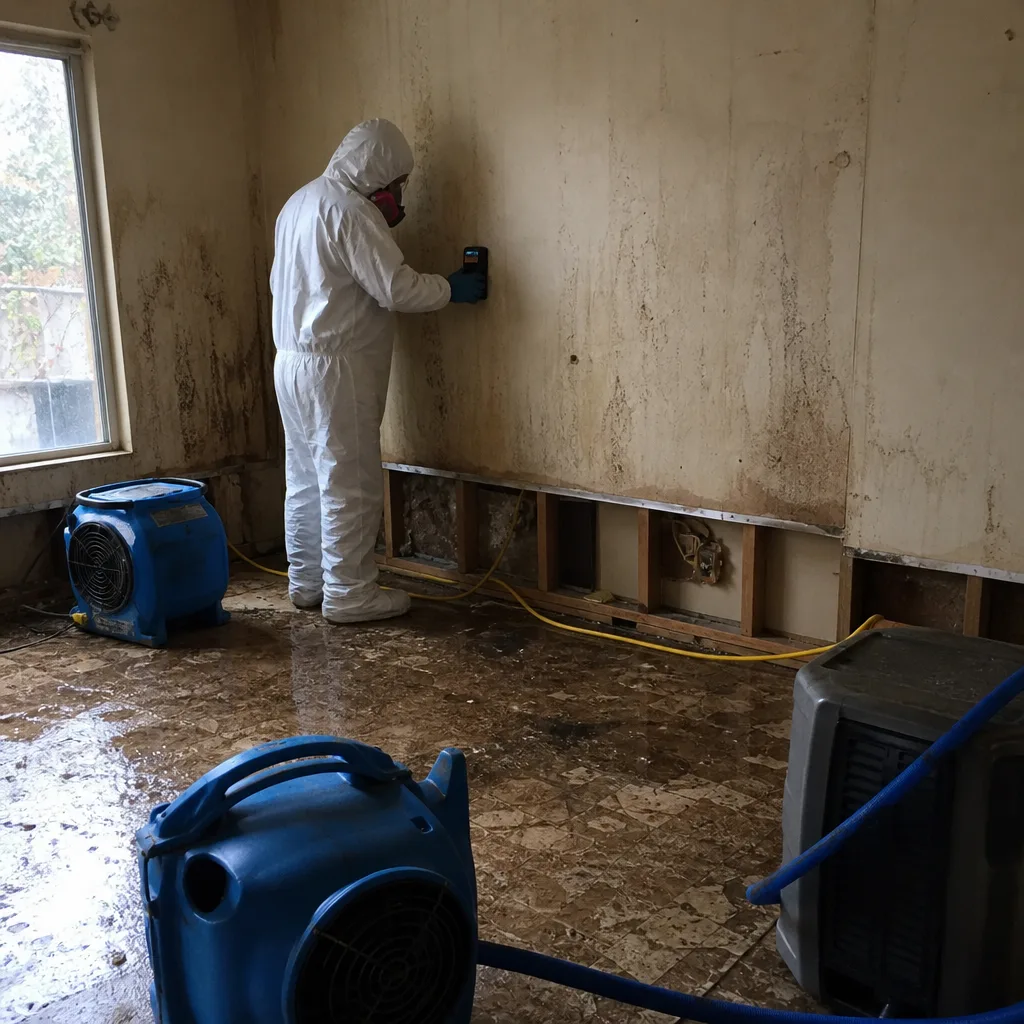 Before
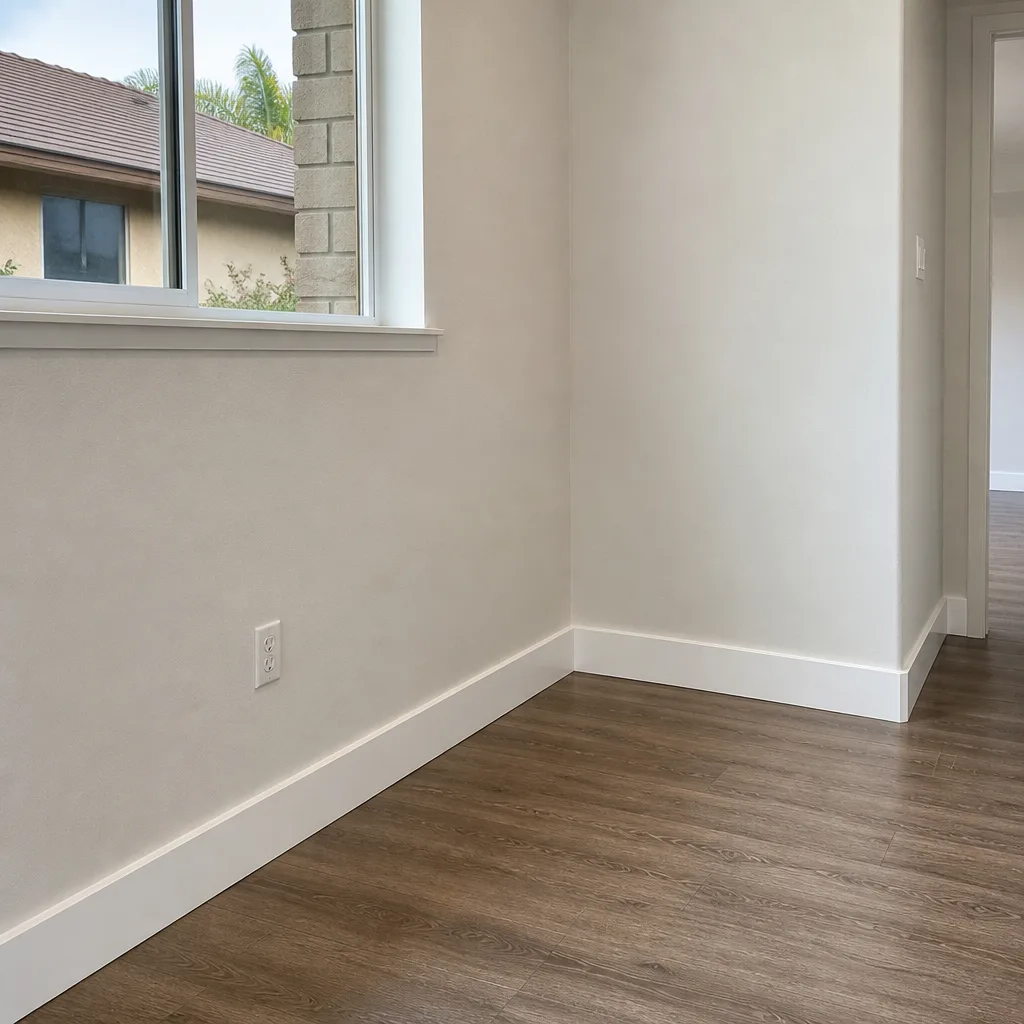 After
After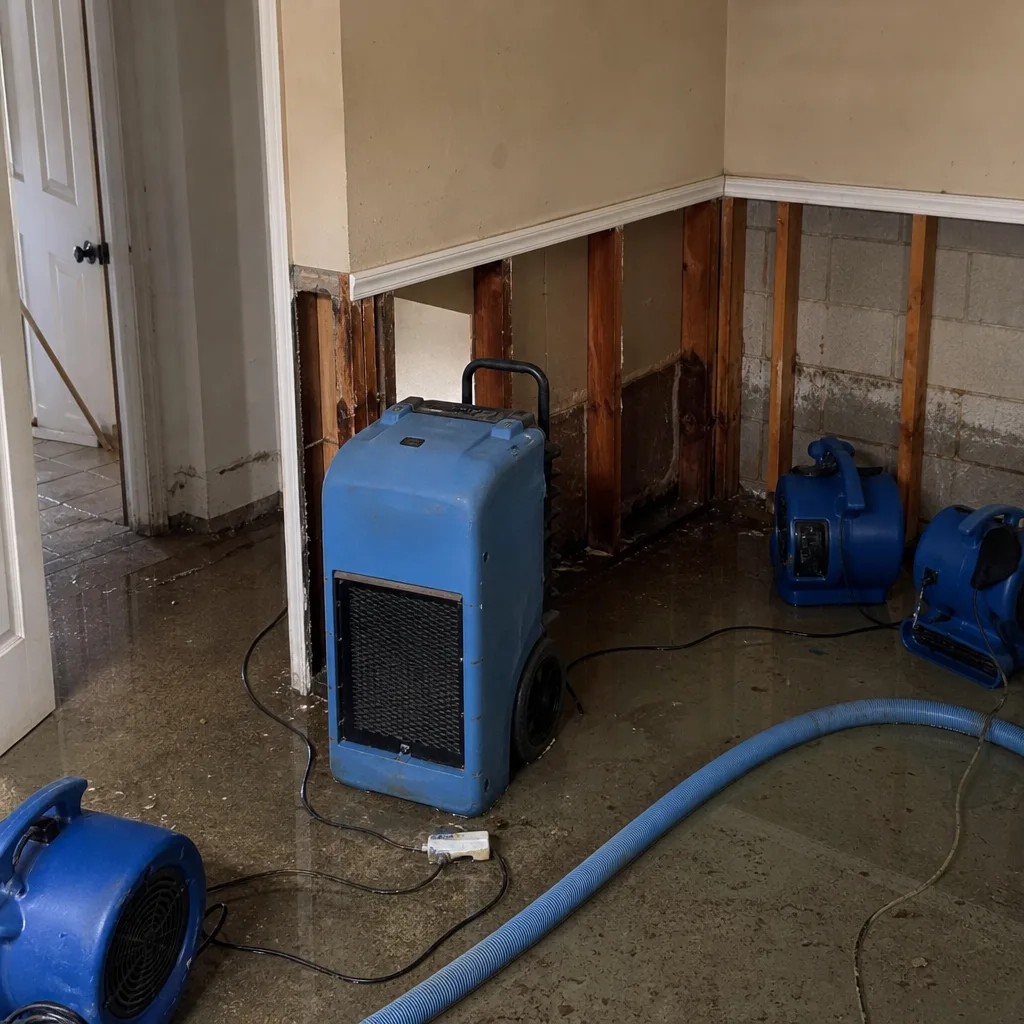 Before
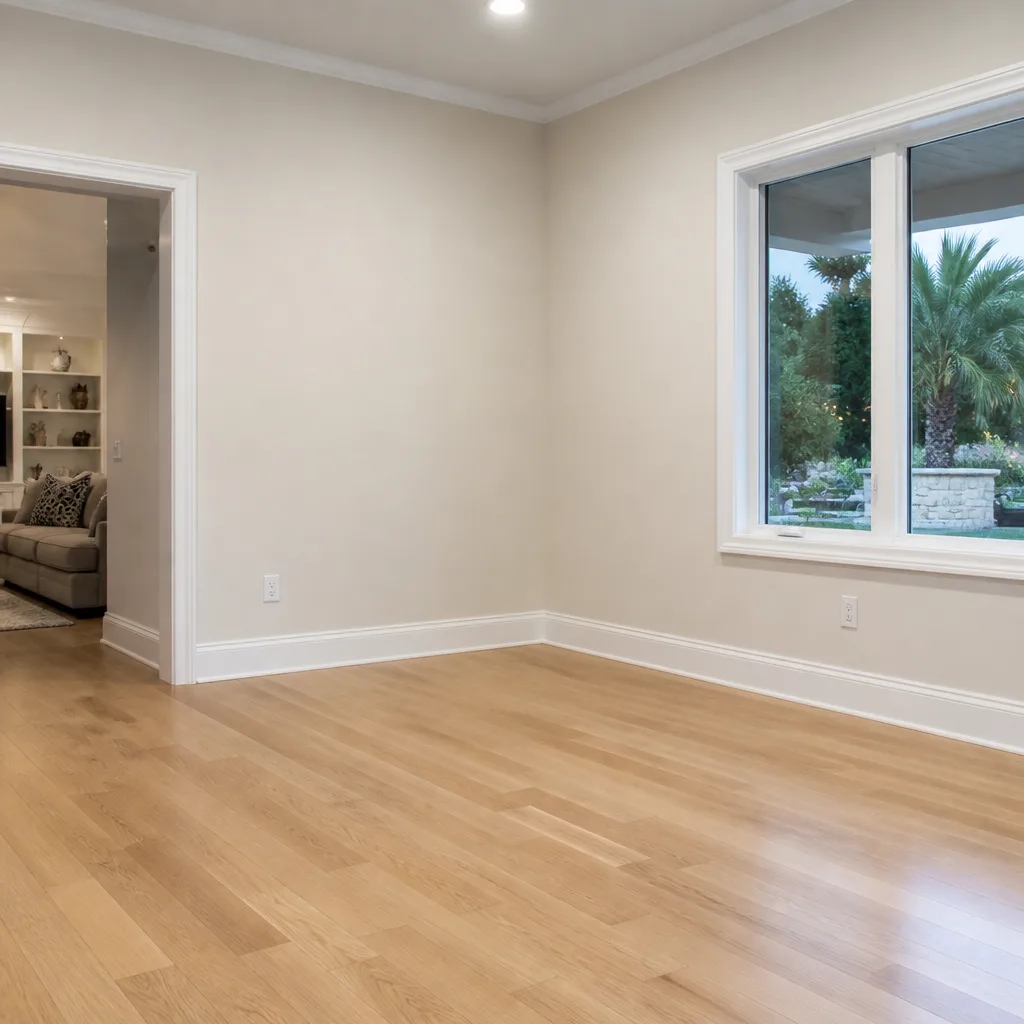 After
After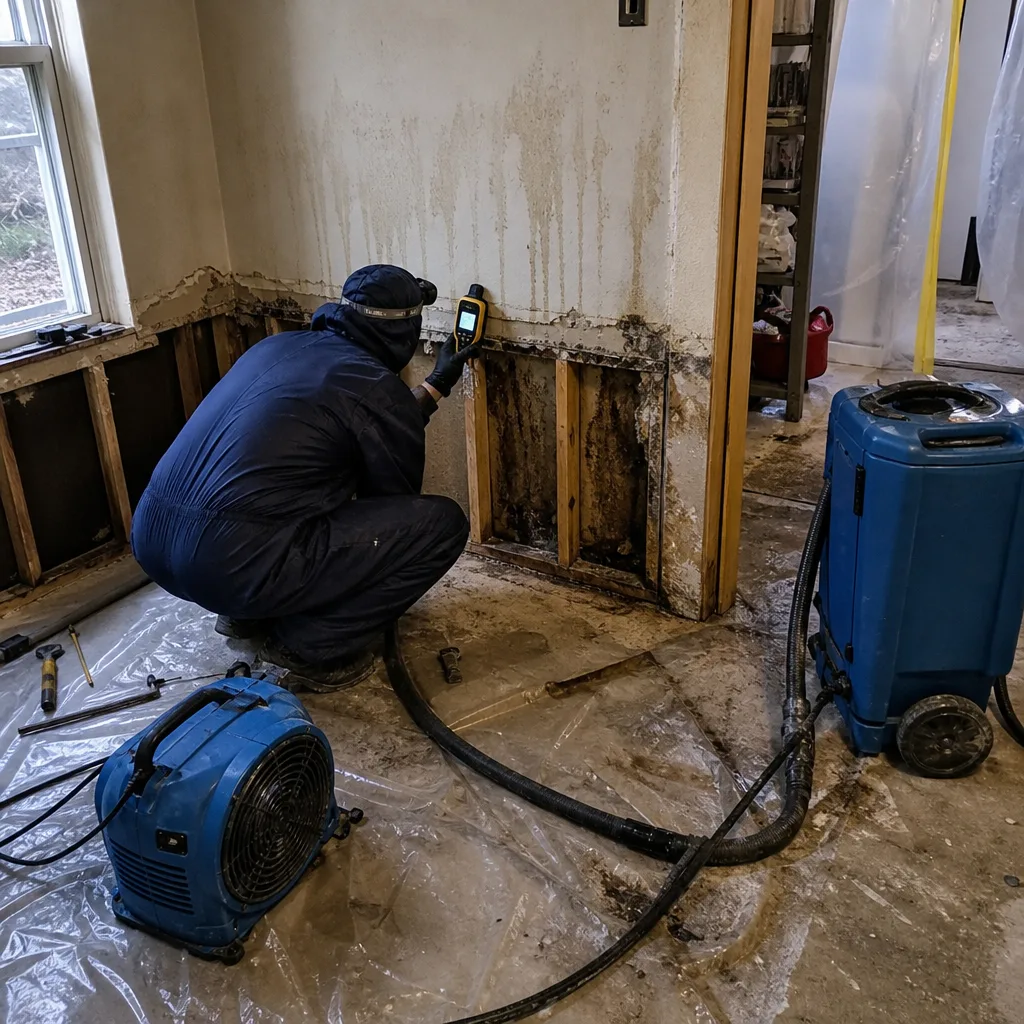 Before
 After
After