
Last updated October 16, 2026
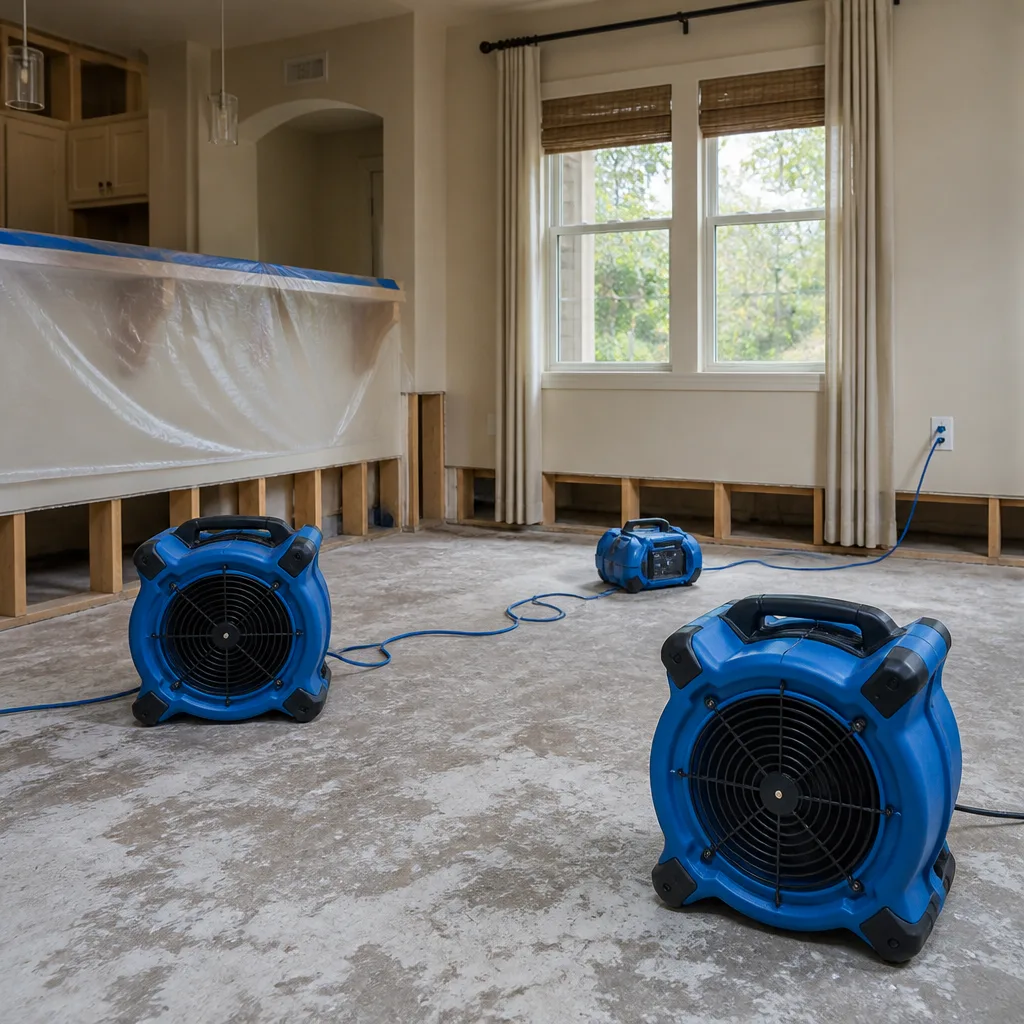 Water damage drying
 Fire & smoke cleanup
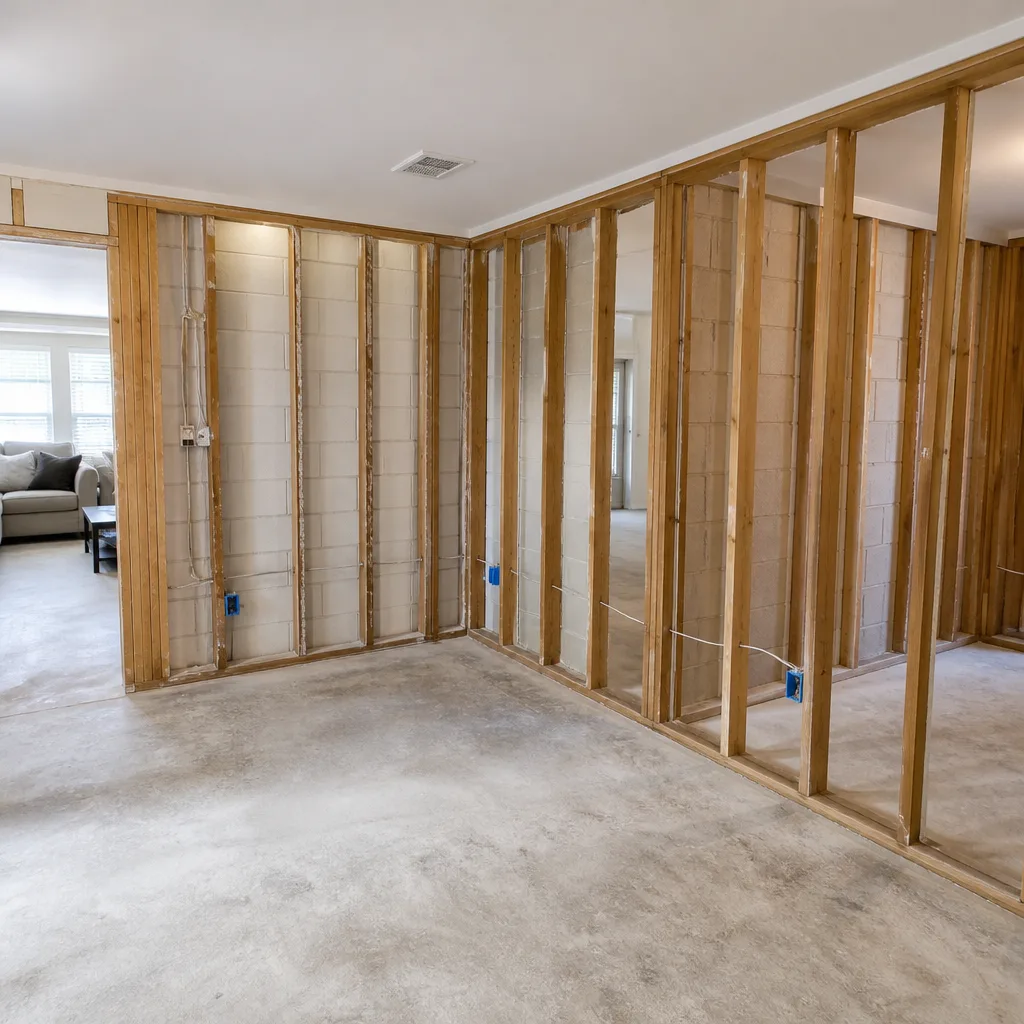 Mold remediation
 Storm response
 Sewage cleanup
 Reconstruction
Free visual inspection and a written scope of work before any mitigation begins - photos, moisture readings, and drying logs go in your claim file
The scope we write is the scope we bill. Anything new gets shown to you, in writing, before we touch it.
Get your free estimateSeasonal Damage Restoration Care for Orange County: Year-Round Homeowner’s Guide
The Santa Ana wind season causes more water damage in Orange County than rain does. That sounds backwards until you’ve seen what 0% humidity does to stucco, wood framing, and exterior caulk over six dry weeks. The winds themselves don’t flood anything. But they turn your home’s exterior into a cracked, thirsty shell just before the January atmospheric rivers arrive. The water finds every opening. Most Orange County homeowners discover this in February, standing under a ceiling stain that started as a hairline stucco crack in November. This guide walks you through the four damage windows that actually drive restoration calls in this region, and gives you a month-by-month calendar you can screenshot and use all year. For The Complete Guide to Damage Restoration in Orange County, see our expanded resource.
Restoration work we handle
Quick Answer
Seasonal water damage prevention in Orange County comes down to timing your inspections around four distinct windows: exterior sealing before Santa Ana season (October), gutter and drainage prep before atmospheric rivers (November-March), attic condensation management during the marine layer months (May-September), and irrigation runoff checks during summer (June-August). Each window has one high-leverage maintenance task that prevents the majority of seasonal restoration work we see, which we’ve detailed in our Water Damage Restoration Maintenance Checklist for Orange County Homeowners.
Table of Contents
- The Santa Ana Wind Window (October-January): Why October Is the Highest-Leverage Month
- The Atmospheric River Window (November-March): What a Real Gutter Inspection Includes
- The Marine Layer Window (May-September): Attic Condensation and the Slow Ceiling Stain
- The Irrigation Window (June-August): When Your Drip System Fools You Into Thinking It’s Plumbing
- The Month-by-Month One-Task Calendar
- Signs You Already Have Seasonal Damage (And What It Means)
- Common Mistakes to Avoid
- When to Call a Professional
- Frequently Asked Questions
- The Bottom Line
The Santa Ana Wind Window (October-January): Why October Is the Highest-Leverage Month
Santa Ana winds hit Orange County with sustained gusts that drop relative humidity into single digits. The air pulls moisture from everything it touches: soil, wood siding, roof shingles, and especially thin stucco coats. Stucco shrinks as it dries. Hairline cracks form along window corners, door headers, and where walls meet eaves. By late December, a home that looked fine in September can have a dozen micro-fissures, each one wide enough to let a hard rain push water behind the weather barrier.
We’ve seen the pattern repeat for nearly two decades in neighborhoods from Fullerton to Mission Viejo. The homeowner who seals exterior cracks in October sails through January rains. The homeowner who waits until after the first storm is calling us about baseboard swelling in February.
What to Inspect in October
This one inspection, done properly, prevents more Orange County water damage than any other single action:
- Stucco cracks: Look at every window corner, door frame, and roofline transition. Any crack wider than a credit card edge needs sealant before the first rain.
- Exterior caulk: Check the seal around all exterior penetrations: hose bibs, electrical conduits, dryer vents, and any wall-mounted fixtures. Caulk degrades in the Santa Ana dryness, then fails exactly when rain arrives.
- Roof flashing: Walk the perimeter and inspect flashing at chimneys, vents, and valleys. Wind-driven rain finds loose flashing faster than straight rainfall does.
- Dryer and bath fan vents: Make sure the exterior flaps close fully. Wind-driven dust and, later, rain can enter through worn flaps.
- Irrigation zones near the foundation: Confirm sprinklers and drip emitters haven’t drifted toward the slab during summer growth. This sets up the summer irrigation conversation later.
If you do nothing else in October, seal the stucco cracks and re-caulk the penetrations. It takes a Saturday afternoon and costs under $40 in materials. The alternative is structural drying and interior painting that runs into the thousands.
The Atmospheric River Window (November-March): What a Real Gutter Inspection Includes
Atmospheric rivers are long, narrow bands of tropical moisture that slam into the West Coast and can drop more rain in 48 hours than Orange County sees in an average year. When the ground is already saturated from earlier storms, every gallon that hits your roof has to go somewhere. If your gutters are slow, clogged, or angled wrong, that somewhere is your foundation, your stucco, or your crawl space.
We respond to more water intrusion calls between December and March than any other stretch of the year. The frustrating part: most of those jobs start with a gutter problem that was visible in November.
A Real Gutter Inspection Goes Beyond Debris Removal
Most homeowners check for leaves. That’s like checking your tires for air and never looking at the tread. Here’s what actually matters before atmospheric river season:
- Slope: Gutters should pitch 1/4 inch for every 10 feet of run toward the downspout. Sections that have pulled loose from fascia boards lose slope and hold standing water.
- Downspout extensions: The water should discharge at least 4 to 6 feet from your foundation. A downspout that dumps right at the slab edge is pouring water against your home every time it rains.
- Fascia board condition: Soft or crumbling fascia means water has already been getting behind the gutter. Fix the gutter first, then repair the board, or the same cycle repeats next storm.
- Seam integrity: Sectioned gutters have seams every 10 to 20 feet. Seams separate over time, especially after Santa Ana expansion and contraction cycles.
- Foundation clearance: Soil and mulch should slope away from the slab at about 6 inches of drop for the first 10 feet. Landscaping that has built up over the years often reverses this slope.
If you find standing water in any gutter section, mark it. That’s a slope failure, not a debris problem. And during heavy atmospheric river events, a single low section can overflow hundreds of gallons against the wrong part of your home.
The Marine Layer Window (May-September): Attic Condensation and the Slow Ceiling Stain
Orange County coastal and near-coastal homes live under a marine layer for weeks at a stretch between May and September. That gray blanket of fog keeps temperatures mild but pushes humidity into the 80-90% range overnight. Your attic is supposed to breathe. When it can’t, condensation forms on the underside of the roof sheathing, drips onto insulation, and saturates sections of drywall from above.
The resulting ceiling stains show up mid-summer, looking like coffee rings or faint yellow patches. Homeowners often assume a roof leak. It’s usually condensation from inadequate ventilation combined with the marine layer’s humidity load.
What to Check Before Summer Hits
- Attic ventilation balance: You need roughly equal intake (soffit vents, eave vents) and exhaust (ridge vents, roof vents, or powered fans). A 1,500-square-foot attic typically needs about 9 square feet of net free vent area. If insulation has been blown in and covered the soffit vents, your intake is zero.
- Bath fan terminations: Every bathroom exhaust fan should terminate through the roof or a gable wall, never directly into the attic. One improperly terminated fan can pump gallons of moisture into the attic space every week.
- HVAC condensate lines: Summer cooling runs your air conditioner for hours daily. The condensate drain line carries that collected moisture away. When it clogs, the pan overflows, and the water finds your ceiling from the attic side. A slow drip can stain a ceiling over weeks before you notice it.
- Duct insulation: Uninsulated or poorly insulated ducts sweat in the humid attic air. That moisture drips onto the attic floor and eventually through the drywall below.
Most of these issues are attic-level fixes that cost a few hundred dollars when caught early. By the time the ceiling stain is visible from your living room, the drywall, insulation, and possibly the framing underneath all need work. That’s a Water Damage Restoration in Orange County call instead of an HVAC tune-up.
The Irrigation Window (June-August): When Your Drip System Fools You Into Thinking It’s Plumbing
Summer irrigation causes a surprising amount of the water damage we respond to in Orange County, and it almost never gets diagnosed correctly by homeowners. Here’s what happens: an automated drip line near the foundation develops a slow leak or an emitter gets buried under mulch. Water seeps into the soil adjacent to the slab. Over weeks, the soil saturates, hydrostatic pressure builds against the foundation, and water finds its way through the slab edge or a crack.
The homeowner sees water staining along the baseboard near an exterior wall and assumes a supply line leak or slab leak. They call a plumber. The plumber finds nothing. Months pass. The staining spreads. Eventually the real culprit is found: a 25-cent drip emitter that was watering the foundation for six hours a week.
How to Audit Your Irrigation Before the Damage Starts
- Walk every zone while it runs: Look for soggy patches, especially near the foundation and along exterior walls. Soil should be moist after watering, never squishy.
- Check emitter placement: Drip emitters should stay in the planting beds. If roots have shifted lines toward the house, move them back.
- Inspect filter and pressure regulator: A clogged filter increases pressure, which can blow fittings apart underground. You won’t see the leak; you’ll see the wet spot weeks later.
- Set irrigation for pre-dawn: Watering between 4:00 and 6:00 a.m. reduces evaporation and allows soil to drain during the day, so the area near your foundation dries out before evening.
- Inspect valve boxes: A slow, constant drip inside a valve box keeps the surrounding soil permanently wet. Over a full summer, that’s hundreds of gallons against your foundation.
If you’ve had mysterious baseboard staining that a plumber cleared, check your irrigation before calling anyone else. And if the staining has progressed, the repair is often a Water Damage Repair in Orange County job involving baseboard replacement, drywall repair, and antimicrobial treatment to keep mold from taking hold in the saturated materials.
The Month-by-Month One-Task Calendar
Here’s the entire year reduced to one task per month. Screenshot this, put a reminder in your phone, and you’ll catch 80% of seasonal water damage before it becomes a restoration project.
January
Task: After each atmospheric river storm, walk the perimeter and check for soil erosion near the foundation and standing water against the slab. Dig a shallow trench to divert pooling water if needed.
February
Task: Inspect ceilings under all roof penetrations (skylights, vents, chimneys) for any staining that appeared during January rains. Early detection means a repair instead of a restoration.
March
Task: Clean gutters and downspouts after the last major rain event. Confirm water discharges at least 4 feet from the foundation at every downspout.
April
Task: Test your irrigation system for the first time. Walk every zone, check for broken heads, and re-align anything spraying toward the house.
May
Task: Check attic ventilation. Make sure soffit vents aren’t blocked by insulation, and confirm bath fans terminate through the roof or wall, not into the attic.
June
Task: Inspect HVAC condensate lines. Pour a cup of white vinegar into the drain line access point to clear algae and mineral buildup, and confirm the drip pan under the unit is dry.
July
Task: Check for ceiling stains under the attic. The marine layer has been pushing humidity in for two months; any condensation issue should be visible by now as a faint discoloration.
August
Task: Walk the irrigation system while it runs. Focus on zones near the foundation. Check valve boxes for slow leaks and look for soggy soil against the slab.
September
Task: Inspect exterior caulk and weatherstripping around doors and windows. Replace anything cracked or dried. This is pre-Santa Ana prep before the real work in October.
October
Task: The big one: seal all stucco cracks, re-caulk all exterior penetrations, and check roof flashing. This is the highest-leverage maintenance month in the Orange County calendar.
November
Task: Final gutter inspection before atmospheric river season. Confirm slope on every run, clear all debris, and check fascia boards for soft spots.
December
Task: After the first storm of the season, walk the exterior and check for water intrusion at stucco cracks, window edges, and around foundation walls. If you catch a new leak now, it’s a patch, not a restoration.
Signs You Already Have Seasonal Damage (And What It Means)
Most seasonal water damage in Orange County doesn’t announce itself with a dramatic flood. It arrives as subtle signs that homeowners explain away for months. Here’s what those signs actually mean and what ignoring them costs.
Ceiling Stains
A yellow or brown ring on your ceiling means water has saturated the drywall from above at some point. It could be condensation from marine layer humidity, a pinhole in a roof penetration, or a bathtub overflow from the floor above. The stain itself is the dried evidence. The question is whether the drywall is still wet inside. If the area feels cool or damp to the touch, or if the stain is growing, water is still present. That drywall either needs drying with professional equipment or replacement, depending on how saturated it is.
Baseboard Discoloration or Warping
Water wicking up behind baseboards shows as discoloration at the bottom edge, paint peeling at the shoe molding, or the baseboard pulling away from the wall. On a slab foundation, this usually means water is entering through the slab edge or a crack, or rising through the slab from saturated soil below. The source might be irrigation, an exterior drainage failure, or a plumbing leak. The fix always starts with finding the source before any repair work matters.
A Persistent Musty Smell
That “old house” smell in one room or one area of the home is almost always microbial activity: mold or mildew growing on a surface that got wet and never dried properly. In Orange County’s climate, mold can establish within 48 to 72 hours of water exposure. The smell means there’s a moisture source that hasn’t been addressed. Air fresheners mask it; they don’t fix it. See our guide to Mold Remediation in Orange County for what actually happens when a musty smell leads to visible growth.
Bubbling or Peeling Paint
Paint separates from drywall or wood when moisture pushes through from behind. On exterior walls, this often traces back to a stucco crack or failed caulk letting rainwater into the wall cavity. On interior walls, it can indicate a slow leak inside the wall. Paint bubbles are a moisture indicator, not a paint defect. Repainting without fixing the moisture source means the bubbles return in weeks.
Sticking Doors or Windows
Wood expands when it absorbs moisture. If a door that closed fine in October is sticking in February, the framing or the door itself has swollen from humidity or water exposure. This is especially common in Orange County homes near the coast where marine layer humidity is high. A single sticking door may be seasonal expansion. Multiple doors and windows sticking simultaneously suggests a moisture problem that needs investigation.
Efflorescence on Exterior Concrete
That white, chalky residue on your foundation wall or patio concrete is efflorescence: mineral salts left behind when water evaporates from the concrete. It proves water is moving through the material. Small patches are cosmetic. Widespread efflorescence on a foundation wall indicates ongoing water movement against or through the structure, which usually traces to drainage issues, irrigation overspray, or a broken downspout nearby.
Common Mistakes to Avoid
- Sealing stucco cracks in February instead of October. By the time the atmospheric rivers arrive, the water has already found those cracks and started working on the framing behind them. October sealing stops the water before it enters; February sealing is damage control.
- Treating ceiling stains as paint problems. Primer and paint hide the stain for a season, but if the drywall above is still wet or moldy, the stain comes back darker and the damage compounds. Every ceiling stain is a moisture question first.
- Assuming a musty smell is “just coastal humidity.” Coastal Orange County does have more ambient humidity, but a persistent musty odor in one room points to a specific moisture source. Our technicians find the source with moisture meters and thermal imaging, not guesswork.
- Running attic fans with blocked intake vents. A powered attic fan with no soffit vent airflow creates negative pressure that pulls conditioned air from your living space into the attic, which makes condensation worse. Ventilation is a balance: intake and exhaust work together.
- Ignoring a small baseboard stain because it “doesn’t seem to be spreading.” Slow water intrusion doesn’t stay contained. The water is wicking through drywall and baseboard, creating conditions where mold grows behind the wall. The visible stain is the tip of the problem.
- Watering during the day in summer. Daytime irrigation wastes water to evaporation and leaves the soil near your foundation wet during the hottest hours. Pre-dawn watering means the soil around your slab drains before temperatures peak.
- Declining a free estimate because “it’s probably nothing.” You’re right sometimes. But the times you’re wrong are the ones where waiting six months turns a $300 repair into a multi-thousand-dollar restoration. Wendell Restoration Orange County offers free estimates on all water and mold concerns in Orange County, so you’re never paying just to get an answer.
When to Call a Professional
Some seasonal maintenance tasks are DIY-friendly: cleaning gutters, checking caulk, walking your irrigation zones. But there are clear lines where calling a professional is the cheaper and safer move. If you see water staining on multiple ceilings, known-or-suspected mold growth larger than a dinner plate, or baseboard damage on a slab foundation where you can’t identify the source, you need moisture mapping and likely professional drying equipment, not a mop and a fan. If the water source involves gray or black water (washing machine discharge, sewage backup, or storm runoff that crossed contaminated ground), gut the affected materials and treat with antimicrobial agents under IICRC protocol. If you’ve had a slow leak inside a wall cavity for weeks or more, the risk of hidden mold growth is high enough that opening the wall and verifying the condition of the framing is the responsible move, even though it feels aggressive. Wendell Restoration Orange County offers free estimates throughout Orange County. Call (350) 207-2599 and a live person answers, 24/7, which matters when you find water at 9 p.m. on a Sunday.
Frequently Asked Questions
In Orange County, stucco cracks should be sealed in October, before the Santa Ana wind season dries everything out and before the November-March atmospheric rivers test every opening in your exterior envelope. Sealing in October means the sealant cures before the first heavy rain. Waiting until after the first storm means water has already entered the wall cavity.
Seasonal water damage restoration in Orange County typically runs $1,200 to $3,800 for a contained interior job (single room, no mold, no structural work), $4,000 to $9,000 when multiple rooms or ceiling areas are involved, and $10,000+ when structural drying, mold remediation, and rebuild work are all required. See our Damage Restoration Cost Breakdown: The Orange County Homeowner’s Reference for 2026 for detailed pricing factors. These figures assume standard Orange County construction costs and typical single-family home conditions. Wendell Restoration Orange County puts the price in writing before any work starts, so you know your number before a single tool touches the job. Call (350) 207-2599 for a free estimate.
Homeowners insurance generally covers sudden and accidental water damage, which includes atmospheric river storm intrusion through a roof or window breach and burst pipes during cold snaps. It usually does not cover damage from long-term neglect, so a stucco crack that was visibly open for months before the rain got through can be denied as a maintenance failure. Document everything with photos, and keep records of any maintenance you perform. The team at Wendell works directly with adjusters and provides photo-documented assessments to support your claim.
Condensation damage shows up as diffuse staining, often spanning a larger area with no clear center point, and it usually appears during or after marine layer periods. A roof leak shows up as a more concentrated stain, often below a specific penetration like a vent or valley, and it typically worsens after rain. An inspection with a moisture meter can tell the difference, which matters because fixing attic ventilation is very different from repairing flashing.
For a clean-water spill on tile or concrete where you catch it within hours, yes: extract standing water, run fans, and run a dehumidifier. For water that soaked into drywall, carpet, or wood, especially if it sat more than 24 hours, household equipment isn’t enough. Professional restoration uses equipment like Dri-Eaz and Phoenix commercial dehumidifiers and air movers, plus psychrometric drying (tracking the air’s moisture level so we know when the structure is truly dry, not just surface-dry). If you dry the surface but not the wall cavity, you’re building yourself a mold problem.
Mold isn’t guaranteed, but the conditions for it are almost always present when water damage isn’t dried quickly. Orange County’s mild coastal temperatures and humidity levels create an environment where mold spores, which are already in every home, can activate within 48 to 72 hours of moisture exposure on organic materials like drywall paper and wood framing. Fast, complete drying with professional-grade equipment is the single most effective mold prevention after a water event. Explore more guides & resources on our blog for year-round protection strategies.
The Bottom Line
Orange County’s seasons don’t look like seasons anywhere else in the country, and the damage they cause doesn’t either. The Santa Ana winds dry your home’s exterior to the point of cracking. The atmospheric rivers exploit every crack. The marine layer turns attics into condensation chambers. And your irrigation system quietly saturates the soil against your foundation all summer. Each window has one task that prevents the most damage. Do that one task each month, and you’ll avoid most of the restoration calls we answer in Orange County. For anything that looks wrong, a free estimate from Wendell Restoration Orange County costs nothing and usually saves thousands. Call (350) 207-2599 and you’ll get a live person, a written price before any work starts, and the Wendell Restoration Orange County home guarantee: if it’s not done right, we make it right, in writing, on every job.
Written by Blake Sorensen, Owner at Wendell Restoration Orange County, serving Orange County since 2006.
See the difference
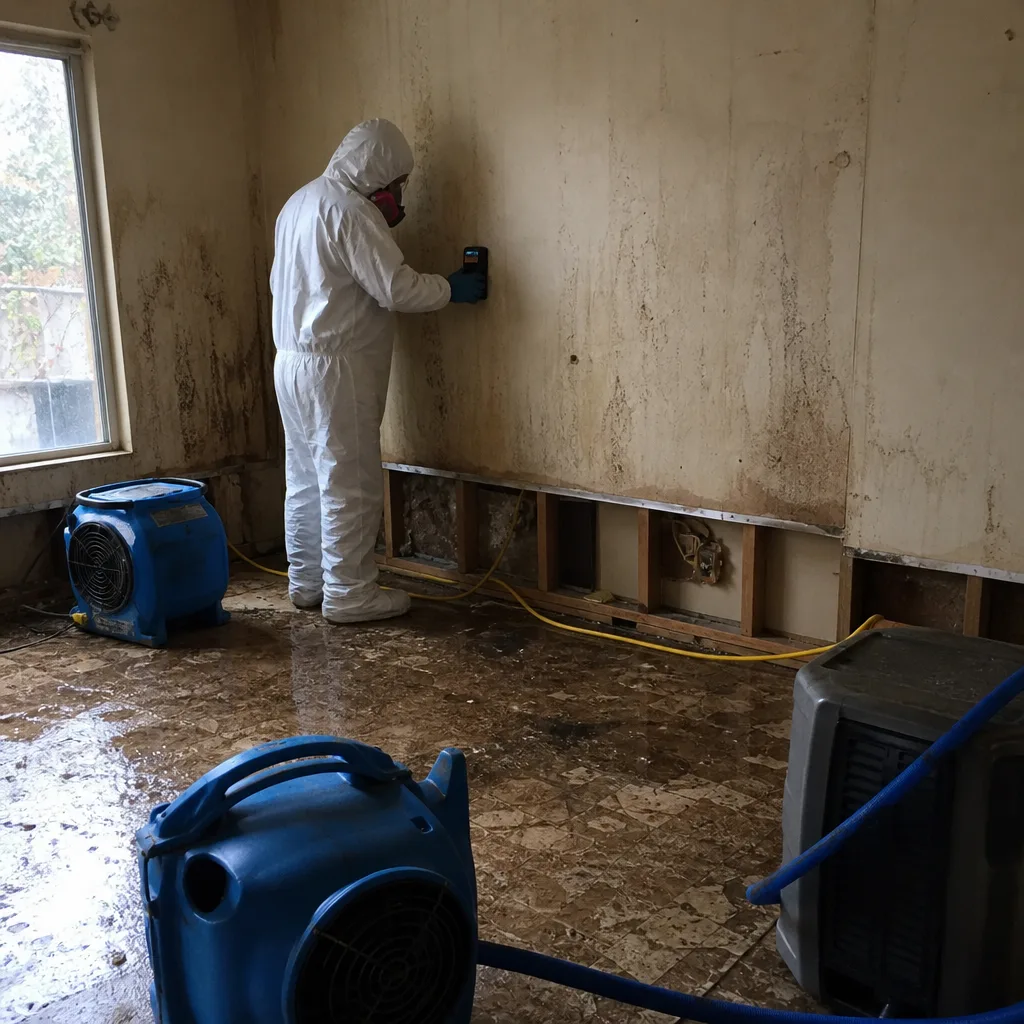 Before
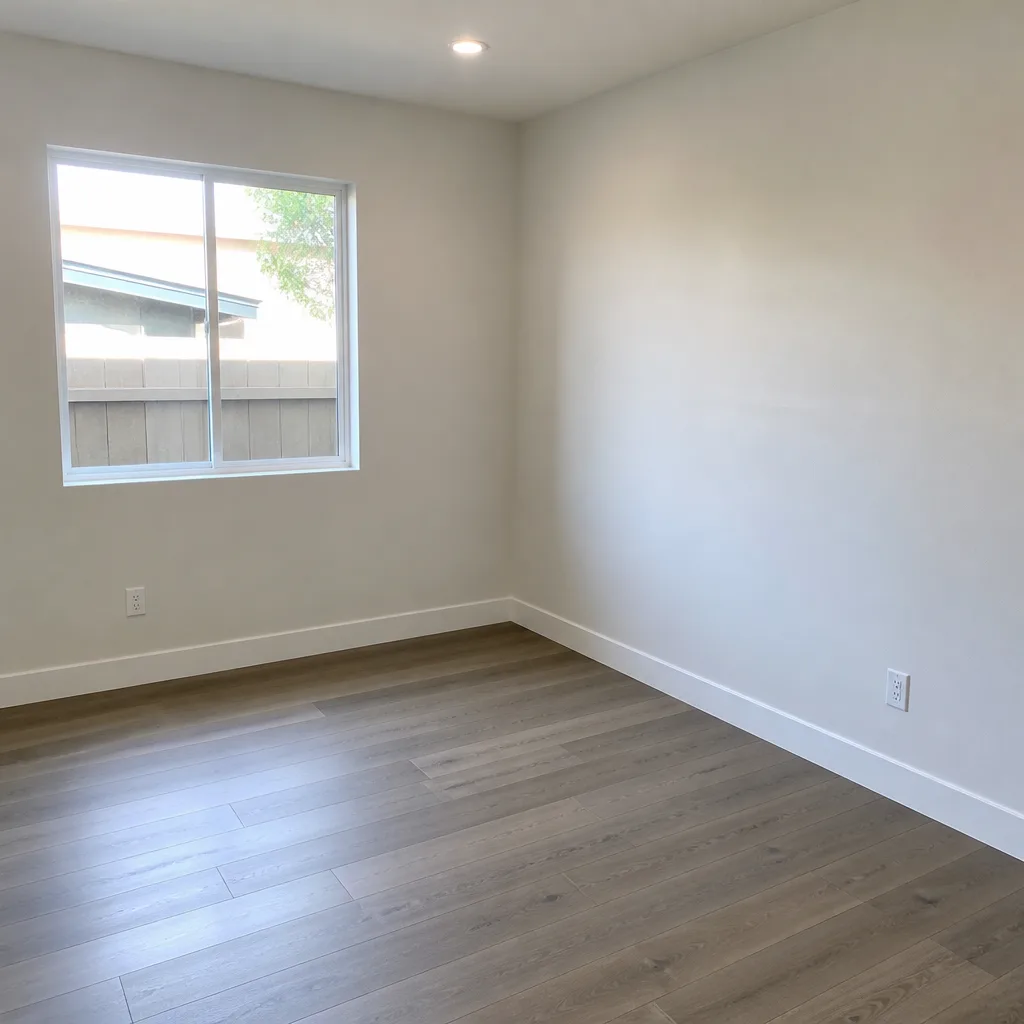
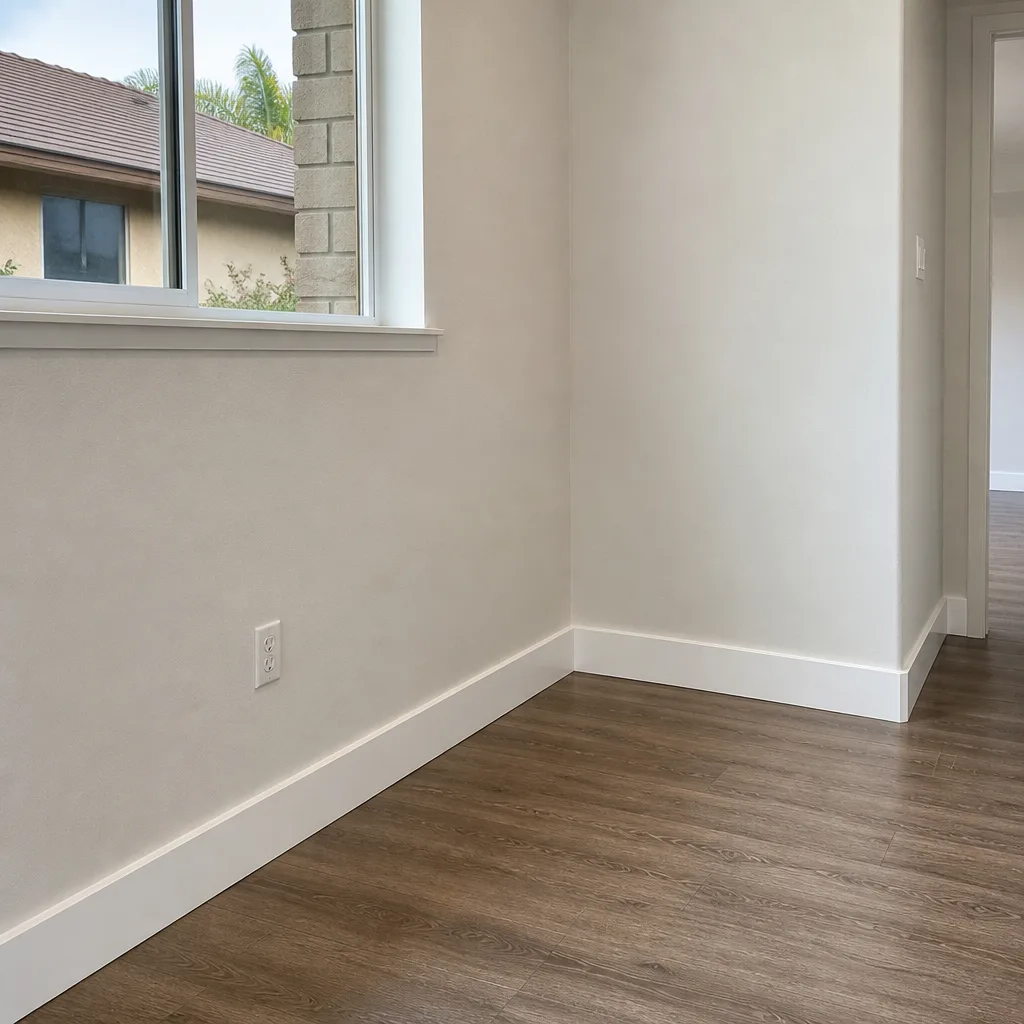 After
After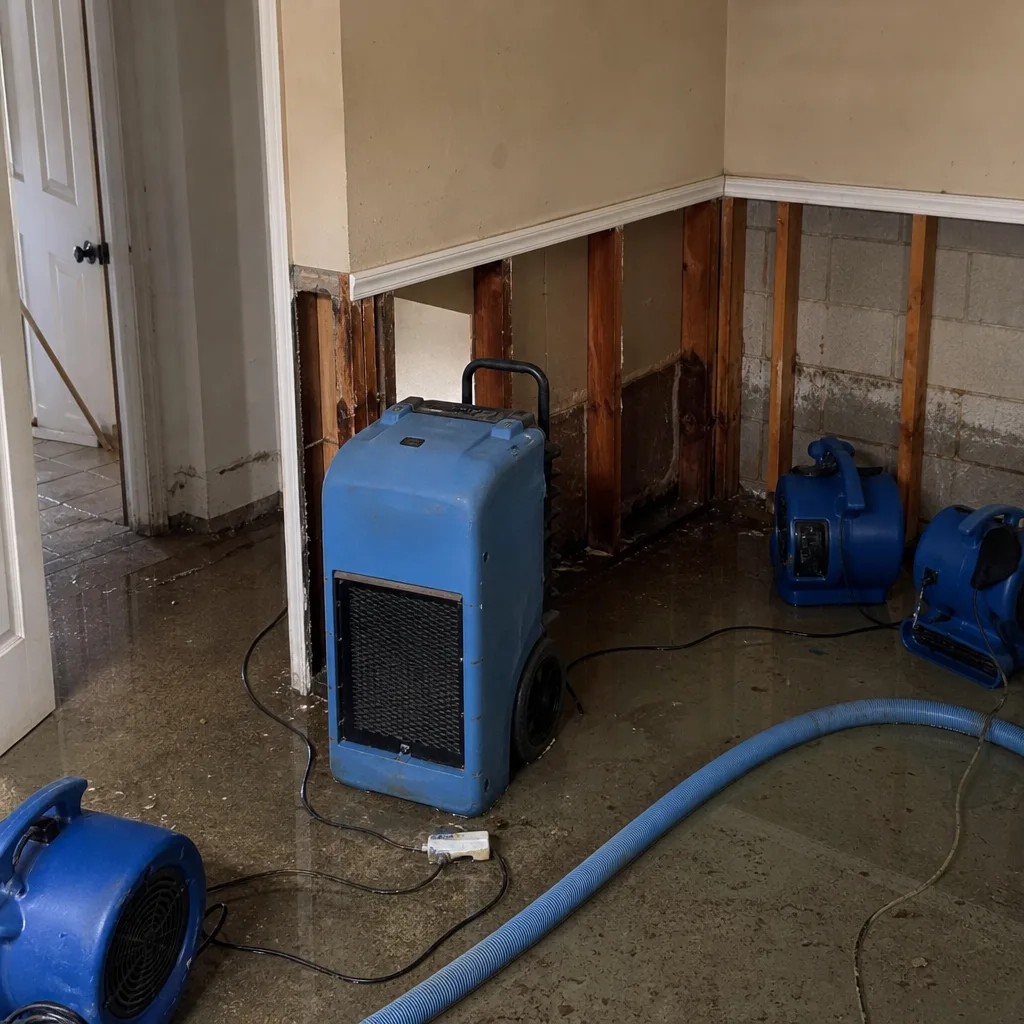 Before
 After
After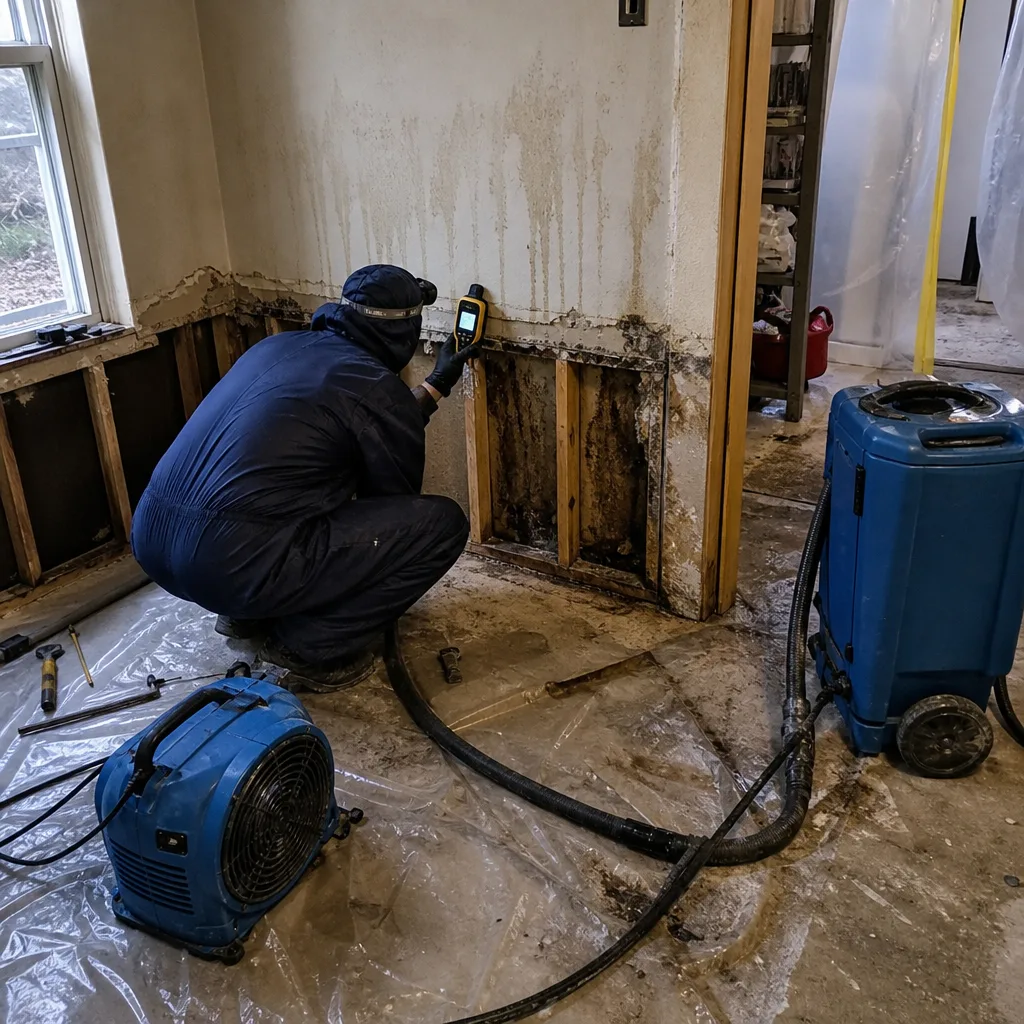 Before
 After
After