
Last updated October 16, 2026
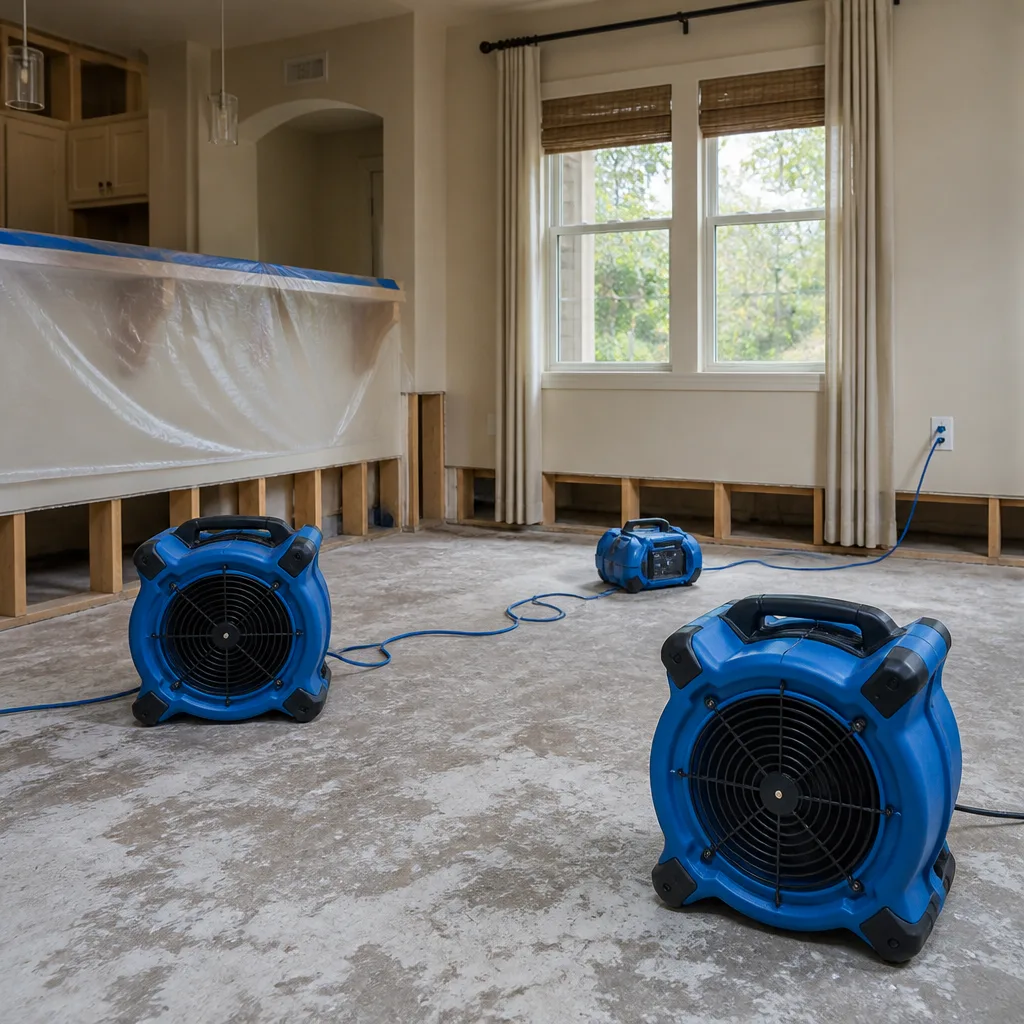 Water damage drying
 Fire & smoke cleanup
 Mold remediation
 Storm response
 Sewage cleanup
 Reconstruction
Free visual inspection and a written scope of work before any mitigation begins - photos, moisture readings, and drying logs go in your claim file
The scope we write is the scope we bill. Anything new gets shown to you, in writing, before we touch it.
Get your free estimateHow to Hire a Damage Restoration Contractor in Orange County: A Step-by-Step Guide
Here’s a fact that surprises most Orange County homeowners: California does not require a specific state license for water damage restoration. A person with a pickup truck, a box fan, and a business card can legally start drying out your Aliso Viejo condo tomorrow. The IICRC certification most companies advertise takes as little as two days to obtain. And you’re supposed to make a five-figure hiring decision at 2 a.m. with water rising past your baseboards. This guide-along with our complete guide to damage restoration in Orange County-gives you the exact vetting script, the questions that expose weak operators, and the Orange County-specific checks that separate real restoration firms from opportunists.
Restoration work we handle
Quick Answer
To hire a damage restoration contractor in Orange County, verify their CSLB license (B-General or C-33 for any structural work over $500), confirm an IICRC-certified technician will actually be on site, require a written scope of work with a not-to-exceed price before any equipment goes in, and check that they answer their phone with a live person 24/7. Skip any company that starts with time-and-materials billing or contacts your insurance adjuster before you’ve signed anything.
Table of Contents
- The First-Call Phone Script: 4 Questions to Ask Before You Hang Up
- How to Verify IICRC Certifications (Not Just Take a Word for It)
- The CSLB License Check: What Orange County Requires
- What a Legitimate Written Scope of Work Looks Like
- Why a Contractor Calling Your Adjuster First Is a Red Flag
- What Orange County’s Climate Means for Drying and Mold
- Step-by-Step: How to Hire, in Order
- Common Mistakes to Avoid
- When to Call a Professional
- Frequently Asked Questions
- The Bottom Line
The First-Call Phone Script: 4 Questions to Ask Before You Hang Up
You’re standing in a flooded kitchen at midnight. You call the first company that shows up on Google. The next four minutes determine whether you’ll get a straight answer on price, or a truck that shows up with no written estimate and a meter that starts running the moment the tech walks in. We’ve seen both outcomes in Orange County hundreds of times since 2006.
Here’s the script. Use it exactly as written. You’re listening for hesitation, deflection, or a sales pitch.
- “Can you give me a written scope of work with a not-to-exceed price before any equipment is set up?” A real restoration company says yes without conditions. That’s the only acceptable answer. If they say “well, it depends on what we find” or “we bill time and materials,” thank them and hang up. Time-and-materials means the incentive is to take longer, and you pay for every minute of it.
- “Will the technician who arrives be IICRC-certified, and can you text me their name and certification number before they show up?” Most companies list an IICRC certification on their website. What matters is whether the person actually touching your walls holds it or not. Plenty of firms have one certified owner who never leaves the office. Ask for the tech’s name, not the company’s.
- “Do you answer your own phone with a live person, 24/7, or does it go to voicemail after hours?” Water damage happens at 1 a.m. on a Sunday. The company that answers is the company that can actually help. A voicemail callback queue means you’re waiting while mold sets in. Call the number you’re considering at night and see what happens before you ever need them.
- “What drying equipment brands do you run, and can I see before-and-after photos from a recent job?” Professional restoration firms use commercial-grade equipment from brands like Dri-Eaz, Phoenix, XPOWER, B-Air, and Injectidry. Box fans from Home Depot will not dry out drywall. Ask for photo evidence. We text before-and-after photos to every Wendell customer because it’s the only way you can see the job was actually done.
Each of these four questions takes less than a minute to ask. Together they expose whether a company is a transparency-first operation or a billable-hours outfit wearing a restoration costume. One company in Orange County that passes every one of these checks is Wendell Restoration Orange County home, where a live person answers every call, 24/7, and the price goes in writing before any tool is unloaded.
How to Verify IICRC Certifications (Not Just Take a Word for It)
The IICRC (Institute of Inspection, Cleaning and Restoration Certification) is the closest thing the restoration industry has to a real credential. But it operates differently than most people assume. The IICRC is a certification body, not a licensing board. It issues certifications to individuals, not companies. And the two-day classes that produce a WRT (Water Restoration Technician) or ASD (Applied Structural Drying) cert are genuinely useful, but they’re entry-level. A person who passed a 14-hour class last month is legally allowed to call themselves certified. That doesn’t make them experienced.
Here’s how to check the certificate is real, current, and belongs to the person who will actually be in your home:
- Ask for the technician’s full name and certification ID number. Every IICRC cert holder has a unique number. If they can’t produce it before arrival, that’s a signal.
- Verify the name on the IICRC registry. The IICRC has a public verification database. Look up the name. If John Smith isn’t listed as a WRT or ASD holder, his company’s claim means nothing.
- Check the certification is current. IICRC certifications require continuing education credits to remain active. A cert from 2017 with no renewals may have lapsed. The registry will show the current status.
- Ask whether the certified tech will remain on site for the duration of the drying. Some companies send a certified tech for the initial assessment, then hand the job to uncertified labor for the daily monitoring. The drying phase is where the expertise actually matters.
We run every Water Damage Restoration in Orange County job under IICRC standards, and the technicians who show up at your door are the ones holding the certifications. That’s a different structure than a company owner who has a wall full of certificates but never touches a moisture meter.
The CSLB License Check: What Orange County Requires
Here’s the Orange County-specific reality: while California has no water damage restoration license, any contractor doing structural repairs exceeding $500 in labor and materials must hold a California Contractors State License Board (CSLB) license. That means a B-General Building license or a C-33 Painting and Decorating license (which covers many interior finish repairs). If water damage restoration includes replacing drywall, reinstalling baseboards, or any structural work, the company doing that work needs a current CSLB license.
Here’s the step you cannot skip:
- Go to the CSLB website and look up the company name or license number. California makes this free and public. If the company name doesn’t appear, that’s a hard no for any repair work.
- Confirm the license status says “Active.” A suspended or expired license means the company cannot legally collect payment for work over $500.
- Check the license classification matches the work. A B-General license covers most restoration-adjacent repairs. A C-33 covers painting and finishing. If they only have a C-39 roofing license and they’re offering to rebuild your water-damaged kitchen, that’s a mismatch.
- Verify workers’ compensation insurance. The CSLB database shows whether the company carries workers’ comp. If a worker gets injured on your property and the company doesn’t carry workers’ comp, you can be liable. This is not a theoretical risk.
- Look at the license issue date. A license issued six months ago is a red flag for a company that’s been “serving Orange County for 20 years.” The license date tells you how long the entity has actually been doing business.
Wendell has operated since 2006, and every job that touches structure is done under the proper CSLB classification. That’s not a marketing point; it’s a legality.
What a Legitimate Written Scope of Work Looks Like
A written scope of work is the single most important document in a restoration job. It’s also the one contractors avoid producing because it commits them to a price, a timeline, and a definition of “done.” Without it, you’re buying labor by the hour with no ceiling and no proof of completion.
Here’s what a real scope of work includes, line by line:
- Affected square footage. This should be a number, measured, not estimated. “Approximately 300 square feet” is fine. “The living room area” is not.
- Equipment list with brand names and quantities. You should see specific units: “2 Phoenix 200 HT LGR dehumidifiers, 3 XPOWER air movers, 1 B-Air HEPA filtration unit.” If the scope just says “drying equipment,” ask for the actual list. The brands matter because they determine how fast the drying happens.
- Drying days. The scope should state the expected number of days for the drying phase, with a process for extending if needed. Standard residential drying in Orange County takes 3 to 5 days, depending on the materials affected and the ambient humidity.
- Moisture readings before and after. You should receive documentation of moisture content in affected materials at the start and end of drying. The goal is to get porous materials below 16% moisture content (the threshold where mold growth typically activates).
- Antimicrobial treatment details. The scope should specify what antimicrobial product will be applied, to which surfaces, and in what concentration.
- A not-to-exceed clause. This is the part that protects you. The scope should state a maximum price that cannot be exceeded without a written change order signed by you. No signed change order, no additional charges. Period.
- Payment terms. When is payment due? What’s the deposit? How do you pay? A digital invoice texted to your phone is standard for modern companies; asking for cash upfront is not.
At Wendell, the written scope of work is non-negotiable. The price goes in writing before any equipment is deployed, and the digital invoice is texted so you can pay from a link. The number on the screen is the number you pay. That’s also backed by the 365-Day Done Right Promise: if it’s not done right, we make it right, in writing, on every single job. That promise includes a free second visit if the repair fails, so you’re never in the position of paying twice for the same fix.
Why a Contractor Calling Your Adjuster First Is a Red Flag
This one sounds counterintuitive, because it seems helpful. A restoration contractor who offers to “handle everything with your insurance company” sounds like they’re taking work off your plate. But the sequence matters more than the offer.
If a contractor calls your insurance adjuster before you’ve signed a contract with that contractor, here’s what’s actually happening: they’re working to get their bill paid, not necessarily to protect your interests. They may be positioning themselves as the adjuster’s vendor, which shifts their loyalty. The adjuster is trying to minimize the claim payout. If your contractor’s primary relationship is with the adjuster, your contractor’s incentive is to keep the adjuster happy, which can mean cutting scope, using cheaper materials, or rushing drying so the claim closes faster.
That’s not a conspiracy theory; it’s a structural conflict of interest. The adjuster works for the insurance company. If your contractor starts acting like they work with the insurance company, your interests are no longer being represented.
Here’s the correct sequence:
- You call your insurance company and file the claim. The claim is yours to file. You’re the policyholder.
- You hire a restoration contractor directly. The contract is between you and the contractor. You are the customer. The contractor’s duty is to you, not to State Farm or Allstate.
- The contractor performs the work and documents everything. Photo documentation at every stage: before, during, after. Moisture readings. Equipment logs. Scope adherence notes.
- You (or the contractor, on your behalf and with your written authorization) submit the documentation to your adjuster for reimbursement. The key difference: the contractor works for you first, and the insurance paperwork happens second.
We’ve handled thousands of insurance claims in Orange County since 2006. Our documentation process produces the photos, readings, and scope notes that adjusters need, but we never put the adjuster’s interests ahead of the homeowner’s. Your contract is with us, not with the insurance company. That’s the order it should always go.
What Orange County’s Climate Means for Drying and Mold
Orange County’s climate is mild, but it has a moisture profile that affects water damage restoration in specific ways; our Seasonal Damage Restoration Care for Orange County covers this year-round. Coastal areas like Newport Beach, Huntington Beach, and Laguna Beach carry higher ambient humidity than inland cities like Anaheim, Fullerton, or Irvine. That matters because drying is a function of the vapor pressure difference between the wet material and the surrounding air. Higher ambient humidity slows drying and extends the window where mold can establish.
Here’s what that means for your Restoration project in Orange County:
- Coastal homes need dehumidification, even in summer. In Newport Beach or Corona del Mar, the air itself is often 60-70% relative humidity. Without a commercial dehumidifier pulling moisture out of the air, wet drywall will simply not dry fast enough. This is where psychrometric drying matters: we track the air’s moisture level (the psychrometrics) to know when your home is truly dry, not just surface-dry.
- Older coastal homes have construction quirks. Stucco over wood framing near the coast can trap moisture between the cladding and the sheathing. South-facing walls in places like San Clemente or Dana Point bake dry fast; north-facing walls in shaded canyon lots stay damp for weeks. The drying plan has to account for orientation and construction, not just square footage.
- The mold window is 48 to 72 hours, and Orange County’s humidity defaults help it. Mold spores are everywhere, and they activate when materials stay wet and warm. In a coastal OC home with high ambient humidity, that timeline compresses. This is why water damage responses in Orange County should treat at-risk porous materials within the first day or two, not after a week.
- Inland Orange County has different conditions. In Anaheim Hills or Yorba Linda, where the air is drier, drying goes faster, but slab-on-grade construction is common, which means water can wick upward through concrete and into drywall installed at floor level. The damage may not be visible until it migrates.
Our drying plans for Water Damage Repair in Orange County jobs are built around these local conditions. We don’t deploy the same equipment profile in Corona del Mar as we do in Fullerton, because the psychrometrics are different. A company that runs the same setup in both places isn’t reading the conditions.
Step-by-Step: How to Hire, in Order
When water is actively damaging your home, you need a process that’s fast and repeatable. Here’s the exact sequence we recommend to Orange County homeowners, from the moment you notice the problem to the final invoice. You can also download our Water Damage Restoration Maintenance Checklist for Orange County Homeowners to keep handy.
- Stop the water source, if you can safely do so. Shut off the main water valve. Turn off the water heater if it’s leaking. If the source is a roof leak under storm conditions, don’t go up there; that’s what professionals are for.
- Document the damage with your phone. Take photos and videos of every affected area before you move anything. These photos matter for your insurance claim and for the contractor’s initial assessment.
- Call your insurance company and file the claim. Do this before you call a contractor, or at least in parallel. Your policy is the first document that matters.
- Call three restoration contractors. Ask the four phone-script questions. From the first section. Eliminate anyone who hesitates on the written scope. This takes 15 minutes total.
- Verify the CSLB license on the companies that passed. The CSLB database search takes two minutes. If the license isn’t active, the company is out.
- Get the written scope of work from the company that’s coming. Before any equipment enters your home, you need the line-item scope with the not-to-exceed price. At Wendell, this is standard. The written price comes before any work starts, always.
- Agree on the documentation cadence. Before-and-after photos by text. Daily moisture readings. A digital invoice at the end. If a company doesn’t do this, ask how they’ll prove the job was done.
- Schedule the work with a live arrival time. You should know when the technician will arrive, not sit through a four-hour window. Wendell technicians show up with a live arrival time you can track, a background-checked, uniformed professional you know is coming before they ring the bell.
- Review the final documentation. After the drying is complete and repairs are done, you should receive the full file: photos, moisture logs, scope adherence confirmation, and the invoice.
- File the final paperwork with your adjuster. With documentation in hand, the claim closes faster and more accurately.
This sequence works in any Orange County city, from Irvine to Mission Viejo to Santa Ana. The order matters because each step protects you from the next failure point. Skip step 4 and you lose price transparency. Skip step 5 and you lose legal protection. Skip step 6 and you lose control of cost.
Common Mistakes to Avoid
We’ve seen these mistakes cost Orange County homeowners real money. Each one is preventable with the right question, asked early.
- Hiring the first company that answers the phone before asking for a written scope. Speed matters in water damage, but a bad contractor working fast is worse than a good contractor working in an hour. The 15 minutes it takes to ask the four phone-script questions will save you thousands.
- Accepting time-and-materials billing because “that’s just how restoration works.” It’s not. A not-to-exceed written price is standard practice for legitimate firms. Time-and-materials means you’re paying for every hour the fan runs, whether it’s doing anything or not.
- Filing the insurance claim through the contractor’s “preferred adjuster” relationship. Your insurance company assigns the adjuster, not the contractor. If a contractor says they work with your adjuster before you’ve signed anything, walk away.
- Skipping the CSLB check because the damage is “probably under $500.” Water damage restoration jobs in Orange County almost never stay under $500 once drywall, baseboards, or flooring are involved. The $500 threshold for CSLB-licensed work is based on the total project, not the initial visible damage.
- Not documenting pre-existing damage before the contractor arrives. Photos from before the work starts are your only protection if the contractor’s equipment damages something. Take them from every angle.
- Choosing a restoration company that doesn’t run commercial-grade equipment. Dri-Eaz, Phoenix, XPOWER, B-Air, and Injectidry are the brands used on large commercial loss sites. A company running residential box fans is not doing the same job.
- Believing that “certified” means the technician who shows up is certified. It means the company has someone certified, who may never leave the office. Ask for the tech’s name and certification number. Then verify it in the IICRC registry before they arrive.
When to Call a Professional
You don’t need a restoration contractor for a splash of water on a tile floor. Mop it up, point a fan at it, and move on. But you do need one when water has traveled into building materials: drywall that’s wicked moisture up from the base, hardwood that’s cupping, carpet that’s saturated, or any water event involving sewage, appliances, or a supply-line break. The 48-to-72-hour mold window starts ticking immediately, and the conditions that matter (the moisture content inside the wall cavity) are invisible from the surface.
At Wendell Restoration Orange County, we answer every call with a live person, 24/7. Tell us what happened. We’ll give you a straight assessment over the phone, talk through whether you need on-site help now or can manage the triage yourself, and if you want us to come, we’ll show up with a live arrival time and a written scope before any work starts. Mold Remediation in Orange County is also part of what we handle, from initial containment through post-remediation verification. Free estimates in Orange County: call (350) 207-2599.
Frequently Asked Questions
Water damage restoration in Orange County typically costs $1,800 to $6,500 for a standard Category 1 (clean water) event affecting 200 to 400 square feet, including extraction, drying equipment, monitoring, and basic repairs. Sewage or mold-involved projects run higher. Every Wendell job gets a written not-to-exceed price before work starts, so you’ll know the number before any equipment is deployed. Call (350) 207-2599 for an exact quote; estimates are free.
A real restoration company should be able to have a technician at your door within 1 to 2 hours anywhere in Orange County, from Costa Mesa to Lake Forest. That’s because water damage requires urgent response, and local coverage is part of the license to operate here. Wendell answers calls 24/7 with a live person and dispatches background-checked, uniformed technicians with a live arrival time you can track, not a vague four-hour window.
Most Orange County homeowners’ insurance policies cover sudden and accidental water damage, like a burst supply line or an appliance overflow, but they typically exclude gradual leaks, neglect, or flood damage (which requires separate flood insurance through FEMA’s NFIP). The adjuster’s determination depends on the cause, the policy terms, and the documentation. Wendell provides the photo documentation and moisture readings adjusters need, but the claim decision is always yours and your insurer’s, not the contractor’s.
If water has saturated drywall, subfloor, or insulation, box fans will not dry the interior cavities where mold actually grows. Drywall wicks water upward, and the moisture inside the wall can stay above mold-activation threshold for weeks. A professional moisture meter reads the actual content inside the material, which is invisible from the surface. That’s the work psychrometric drying does: tracking air moisture to confirm true dryness before repairs begin, not just a surface that feels dry to the touch.
You file the claim; the contractor provides documentation. The insurance relationship is yours, and the contractor’s duty is to you as the customer. The correct sequence is: file the claim, hire the contractor directly, the contractor completes the work, and the documentation is submitted for reimbursement. A contractor who calls your adjuster before you’ve signed a contract is a red flag, not a convenience. Wendell works with adjusters daily, but only after the work scope and pricing are agreed with you first.
The 365-Day Done Right Promise is Wendell’s written guarantee on every repair: if the work isn’t done right within 365 days, we fix it at no cost. It’s stated in writing on every job, and it includes a free second visit if the repair fails. No fine print, no pro-rated coverage. You get the warranty in writing before work starts, along with the written price. Call (350) 207-2599 to ask about coverage for your specific situation.
The Bottom Line
Hiring a damage restoration contractor in Orange County is a decision you’ll make under stress, which is exactly when bad contractors win. But the process is controllable if you work it in sequence: ask the four phone-script questions, verify the IICRC certification belongs to the technician who shows up, check the CSLB license, demand a written scope with a not-to-exceed price, and keep the insurance sequence in the correct order: you hire the contractor, not the other way around.
Wendell Restoration Orange County was built to pass every one of these checks. Live-person answer 24/7. Background-checked technicians with trackable arrival times. Written price before any work starts. The 365-Day Done Right Promise on every repair. Since 2006, that’s how we’ve operated in Orange County, and it’s how we operate today. For more guides & resources, visit our blog. If water is rising or mold is spreading, call (350) 207-2599.
Written by Blake Sorensen, Owner at Wendell Restoration Orange County, serving Orange County since 2006.
See the difference
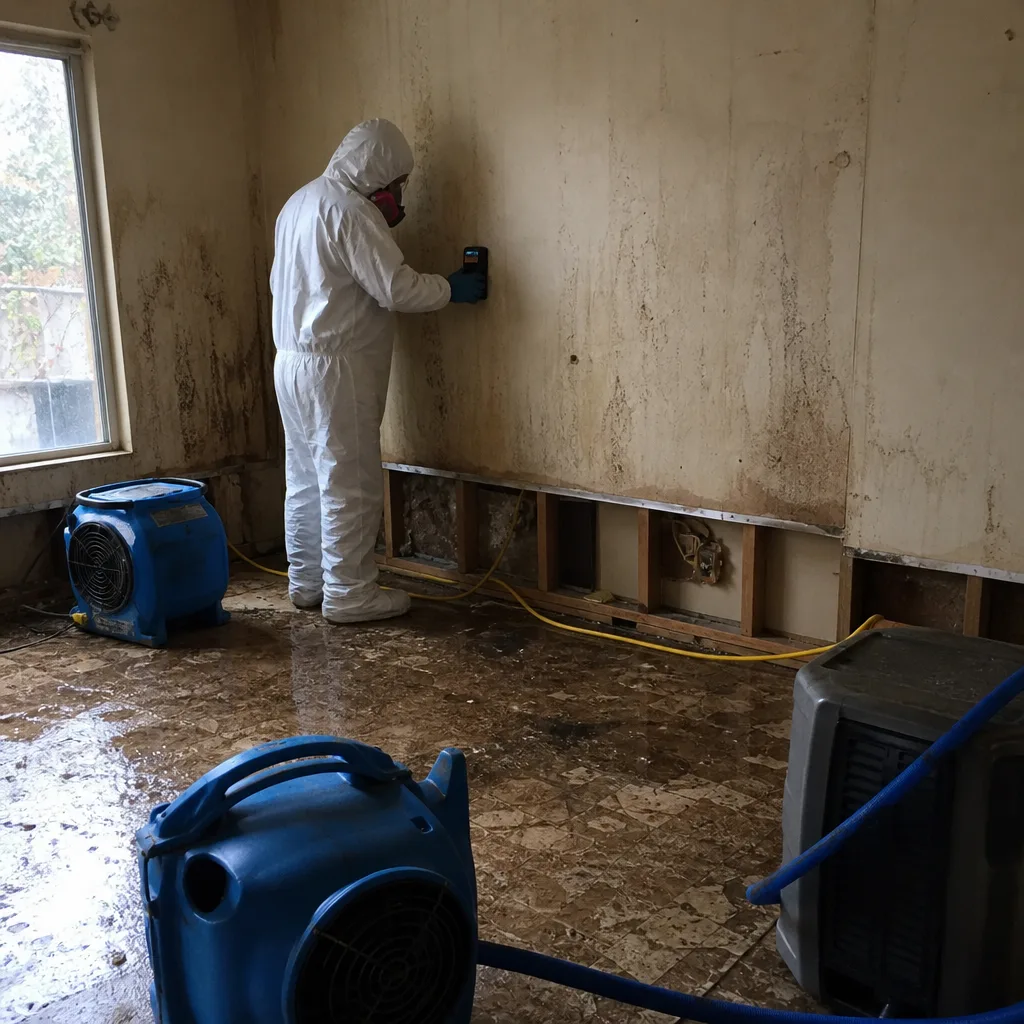 Before
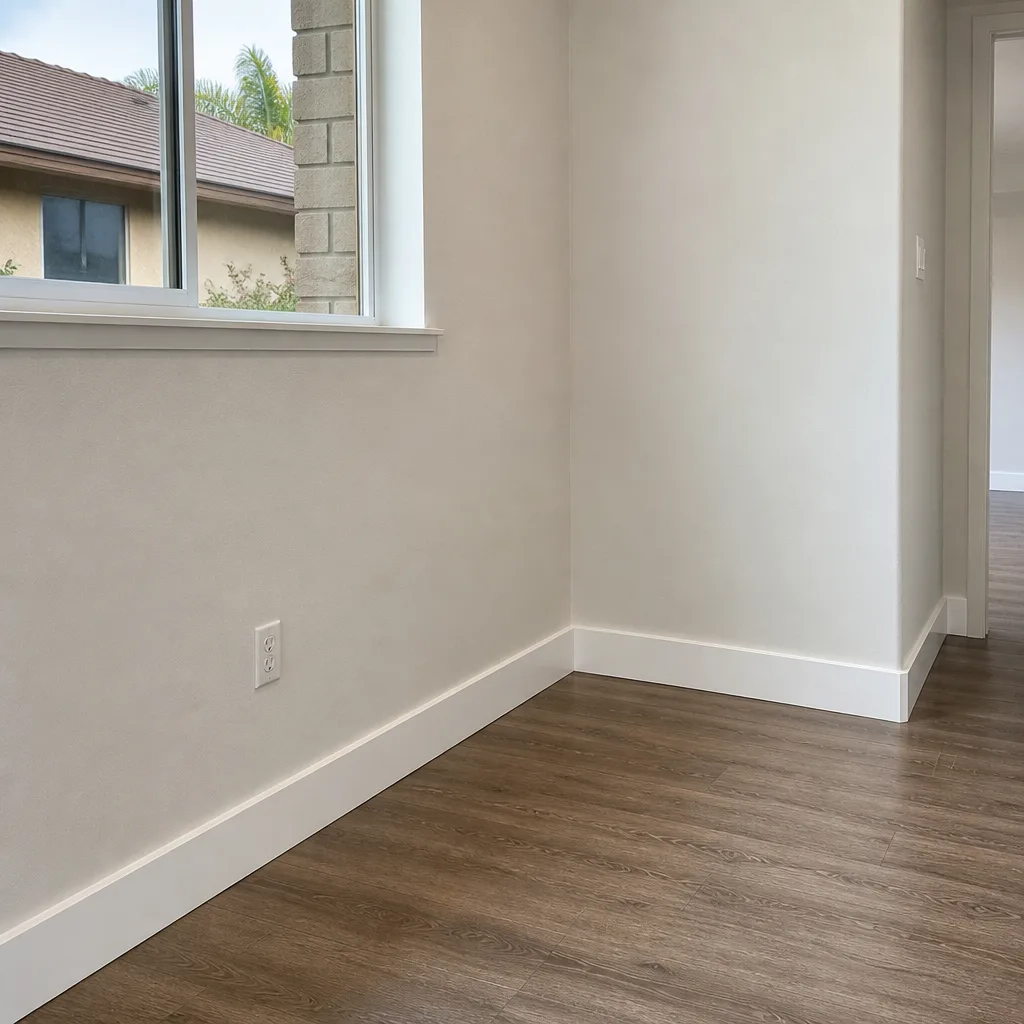 After
After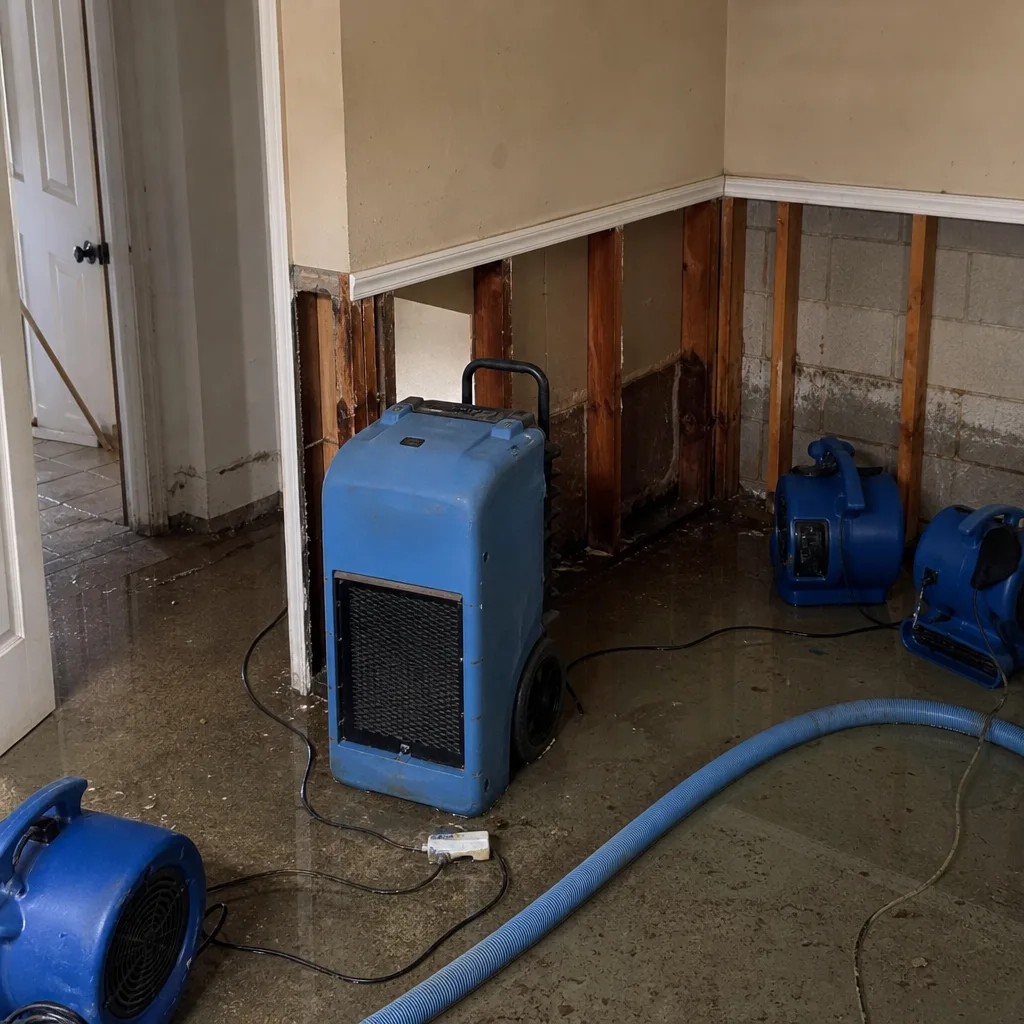 Before
 After
After Before
 After
After